In this article
The reality is that most dogs hate wearing a cone, but with time, many dogs usually get used to it and adapt quite well. Some dogs don’t, and thankfully, there are other options you can try out instead of the cone. If your veterinarian has recommended a cone for your dog, you should only take it off after 10–14 days after they’ve been neutered, unless your veterinarian has stated otherwise. If the incision hasn’t fully healed by day 14, keep the cone on longer and contact your veterinarian if you see any signs of complications.
Cones are necessary for most dogs, as they prevent them from doing damage to their surgical site. Some dogs may even go a few days without trying to lick their wounds, but if they suddenly decide to start when you aren’t around to stop them they can cause infections and pull out stitches, which can mean they need a second surgery.
We’ve got some canine tips for wearing a cone, how to remove it, and a few alternatives to consider, so keep reading.

Why Are Cones Necessary?
More often than not, a dog will need to wear a cone after neutering. In fact, dogs wear cones after most surgeries. The reason for the cone is to stop them from being able to lick, chew, or scratch at their incision. It’s natural for dogs to lick their wounds as it seems to soothe them. They also may not like the feel of the stitches in their skin. As the area begins to heal, it can also become itchy, which may make them want to scratch it. Without a cone, your dog may remove stitches and cause irritation to the incision, which can lead to major complications.
Although dogs may protest against the cone and bump into furniture at first, it’s important not to give in too quickly and give them time to figure it out. The consequences of removing your dog’s cone before the surgical site has fully healed are much more serious than the inconvenience the cone will cause.

How to Put the Cone on Your Dog
If you opt for a cone while your dog is still in recovery at the veterinary clinic, your veterinarian will likely put the cone on your dog themselves. However, if you decide to take the cone off to give your dog a bit of a break and need to put it back on, you can follow these steps:
- Distract your dog with a treat.
- Slip the cone over their head.
- Make sure their ears are inside the cone.
- Tie or clip the cone in place.
- Make sure the collar isn’t too tight by placing two fingers between the cone and the neck.
- Make sure they can’t reach their wound.
Is My Dog Ready to Remove the Cone?
Although cones should remain on your dog for 10–14 days after neutering, it’s important to evaluate the situation and take it off when your dog is fully healed or once the stitches have been removed. If that takes longer than 14 days, keep the cone on for a little longer. Here are a few telltale signs that your dog is ready to remove the cone:
- The incision site has healed and with no complications.
- There is no redness, discharge, or swelling around the incision site.
- Your dog isn’t trying to scratch or lick at the area.
- The stitches have been removed by your veterinarian or have begun to dissolve.
- Your veterinarian has given you the go-ahead to remove the cone.
What Should I Do If My Dog Hates Wearing a Cone?
If your dog cannot bear the cone and is constantly doing things to escape from it, you may need to look into alternative options. You can chat with your veterinarian about the various options they offer. A few common dog cone alternatives are:

Inflatable Collars
These types are soft, thick, and comfortable to wear. They only go around the neck and not over the face, which is usually less stressful for anxious dogs. It also isn’t as in the dog’s way as a standard cone, so your dog is less likely to bump into obstacles in their environment or destroy their cone.
Soft Collars
Instead of the traditional plastic cone, this soft option is more comfortable for some dogs to wear. It has a pull string or fastener strip to tighten or loosen the fit around your dog’s neck and is lightweight and water-resistant. However, they’re not transparent and will block your dog from seeing around them.
Recovery Suits
Instead of placing something around your dog’s neck, which might be too much for some dogs, you can opt for a recovery suit. These one-piece suits cover your dog’s body, preventing them from being able to lick their incision wounds. Your dog’s head and paws will be exposed, and it has a back opening so that your dog can pee or poop without you having to remove the suit. Depending on the incision site, this option may or may not be suitable. For neutering a male dog (castration), the incision can be accessible despite the suit.
Post-Surgery Care
Besides having to wear a cone, your dog will have to endure a few other restrictions to ensure a quick and complication-free recovery.
- Check the incision for signs of infection every day.
- Keep your dog away from water and refrain from bathing them until their incision has healed.
- Keep your dog indoors so as not to get dirt or moisture in their incision.
- Restrict activities such as running and jumping. However, you can take them on short leash walks.
- Don’t give your dog human pain medication. If your dog is in pain, contact your veterinarian.
If your dog has continuous bleeding from their incision, is vomiting, struggling to breathe, or is unable to stand, contact your veterinarian immediately.
If you need to speak with a vet but can't get to one, head over to PangoVet. It's our online service where you can talk to a vet online and get the advice you need for your pet — all at an affordable price!
Conclusion
You can take your dog’s cone off after 10–14 days after neutering or once your veterinarian gives you the go-ahead. If your dog’s surgical incisions aren’t fully healed after this period of time, contact your vet and keep the cone on, as taking it off before your dog is ready to remove it may result in them licking or biting at their incision, which may lead to further complications.
If your dog constantly tries to break free from their cone, try alternative options such as soft collars, inflatable collars, and recovery suits. Make sure to keep an eye on your dog’s incisions to ensure that they’re healing properly. If you see any signs of concern, contact your veterinarian immediately.
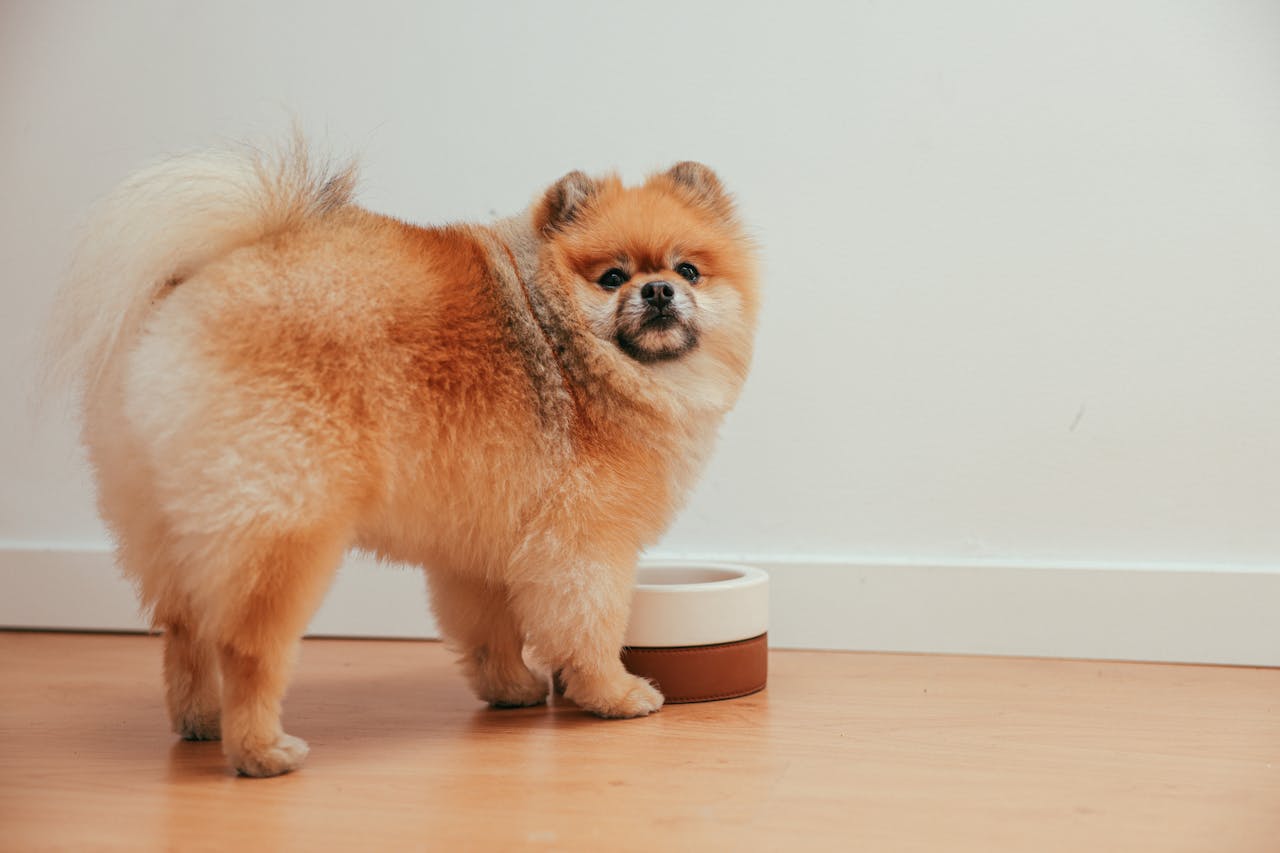
Featured Image Credit: Micah, Pexels