In this article
It is currently a legal requirement for dogs and cats to be microchipped in the UK. Beyond the legality, microchipping a pet helps ensure they can be returned quickly when they go missing. The procedure is generally painless and only takes a few seconds, and while typical costs range from £10 to £30, there are some centres and vets that will complete the procedure for free if owners meet specific criteria.
Read on to learn more about microchipping cats and dogs and to find out how much the procedure costs.

The Importance of Microchipping Cats and Dogs
All dogs must be microchipped by the time they reach 8 weeks of age, and all cats must be when they’re 20 weeks old. Owners of dogs with no microchip can face a fine of up to £500. Similar laws were introduced for cats and cat owners in June 2024.
There are some exceptions to this law. If a vet believes that a dog should not be microchipped for health reasons, they can certify that there is no need for microchipping. This may be the case for some small breeds like Chihuahuas, where the vet will certify that the dog does not need to be microchipped until they are older. You will need a certification from the vet and if you are buying a puppy from a breeder, they should provide microchip registration details or a relevant vet certification.
It is a legal requirement, but in some instances, it can also help you reunite with your pet if they get lost or run away. During the procedure, a microchip is placed under the pet’s skin. The microchip is then registered to the pet’s owner and includes their contact details.
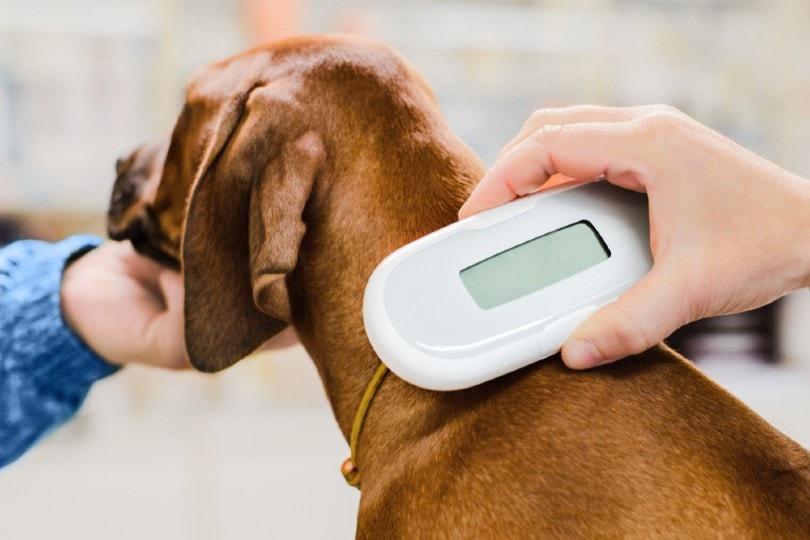
Using a scanner, vets, rescue centres, and other professionals can scan the cat or dog and find the microchip’s serial number. This serial number is checked against the chip company’s database, and the owner can be contacted. Typically, having a chip means that a lost dog or cat can be reunited with their owner within a few hours. If a cat or dog has no microchip, it can take weeks or even months of advertising and searching, oftentimes being unfruitful for the owners.
If the worst happens and your cat or dog is killed in a road accident, for example, it also makes identification of the animal easier.

How Much Does Microchipping Cost?
The cost of microchipping a pet varies depending on where you live and where you take your pet for the procedure. Generally, it costs roughly the same for dogs as it does for cats and varies from £10 to £30. £15 is the typical price that owners pay, and the procedure can be done when a pet is being spayed or neutered or getting vaccinated.
Vets and animal charities believe microchipping is extremely important, so some offer low-cost or free chipping. Battersea Dog’s Home, for example, will microchip dogs for free.
If you adopt a cat or dog from a rescue centre, they will implant a chip and include the cost in the adoption fee. Because the law requires dogs to be chipped by the time they are 8 weeks old, breeders have microchips implanted before their puppies leave the kennel.
Additional Costs to Anticipate
Microchipping is a quick procedure. It doesn’t require any specific aftercare, but you should keep an eye on the injection site for a few days afterward. The simplicity of the operation means that you don’t need any medication or other costly supplies after the procedure.

Cost of Registration
The microchip must be registered with a pet database, and there may be a registration charge when your pet is first chipped. This fee is usually around £10 or less.
If you have bought your pet from a breeder, they may have a basic account, meaning you will have to pay the administration fee to change the registration to your details. Again, the cost of this is usually around £10.
Finally, you will need to pay an administrative charge if you move addresses or need to change any other details. A fee of £10 is standard.
Do Microchips Ever Need Replacing?
The microchip will usually last the lifetime of your pet, but there are occasions when this may not be true, and you may need to get your pet re-chipped.
Chip migration is very rare but can occur when the microchip moves from the spot it was inserted, usually at the scruff of the neck, to another area of the body. While locating and scanning the chip might still be possible, most vets and wardens scan the neck area and may not check the whole body. In this case, getting the dog or cat re-chipped is beneficial, and the cost will be similar to the initial microchipping cost.
Even more rarely, a microchip may be faulty or stop working. This is extremely rare, and it is more likely that a faulty scanner has failed to detect the chip in the first place. However, if it does happen, re-chipping will be necessary to ensure your pet is registered.
If you are moving abroad, it may be necessary to have a new microchip once you reach your new destination. The cost will vary and will be determined by how much the procedure costs in your new location.

Does Pet Insurance Cover Microchipping?
Typically, pet insurance does not cover microchipping. Pet insurance usually protects against unexpected injuries and illness, neither of which covers microchipping. However, some insurance policies provide wellness or preventive care, which can include microchipping.
If your pet insurance does not include these features, you can take out a separate policy that does. Some vets also offer similar wellness packages that cover the cost of microchipping and routine treatment, including flea treatment, deworming, and vaccinations.
Check your insurance policy details. If you have a wellness package and aren’t taking advantage of it, you could lose out.
Is the Procedure Painful?
A microchip is about the size of a grain of rice and is injected under the pet’s skin, typically at the scruff of the neck. Microchips are implanted in the same spot on all animals to make it easier to locate them when scanning lost pets. The procedure takes a few seconds and is generally painless but involves a needle. Some pets can take injections and barely notice, but others may find the experience uncomfortable, and some may get stressed and anxious whenever they’re at the vet’s office.
The procedure is simple, but it should be undertaken by a qualified professional. If you use a groomer, ensure they are qualified.
Conclusion
Pet microchipping helps ensure lost pets are reunited with their owners quickly and effortlessly. It is a legal requirement that dogs are microchipped before they reach 8 weeks of age, and cats must be microchipped when they’re 20 weeks old. The procedure costs around £15, and if you move house or need to change any other details associated with your pet’s microchip, you may be charged an administration fee of around £10.
Featured Image Credit: olgagorovenko, Shutterstock