Get

In Your Inbox

Dogster is reader-supported. When you buy via links on our site, we may earn an affiliate commission at no cost to you. Learn more.

What Is Crude Fiber in Dog Food? Vet-Verified Nutrition Facts & FAQ

Share

Ginger dog eating

Finding good dog food can certainly be an uphill battle in many ways. Whether the problem is finding food that has the right nutritional components or if you have a picky dog who may not want to eat food, it can be challenging! Understanding all the jargon printed on the nutrition label presents another layer of difficulty.

While “crude fiber” might sound menacing to some, it is perfectly safe and healthy for dogs. It reflects a measure of a food’s amount of fiber. “Crude” suggests that the value was obtained through chemical analysis; it does not indicate that the food is low quality, dangerous, or anything negative.

Fiber is typically composed of the indigestible portions of plant materials. It helps maintain gut health and aid digestion. Keep reading to learn everything you need about fiber content in your dog’s food!

What Is Fiber?

Fiber is an undigestible compound found in plant maters. Typically, fiber is seen as the parts of the plant material that cannot be digested by a dog. It is critical for gut health and stability. It’s beneficial for dogs with difficulties expressing their anal glands or those with loose or runny stools.

There are two main types of dietary fiber, soluble and insoluble. Soluble fiber acts like a sponge soaking up moisture. In this case, it attracts water to form a gel around the ingesta and slows digestion. Insoluble fiber helps balance the GI transit time by speeding digestion.

The amount of fiber needed in a diet varies from dog to dog. It helps keep their gastrointestinal tract healthy. Dogs who have persistent issues with digestion or anal gland blockages can be started on a high-fiber diet to improve these conditions.

Fiber sometimes gets a misnomer as a “filler” ingredient. But fiber is far from a filler ingredient, as most animals must promote healthy digestion. Most natural sources of fibers are carbohydrates. So, if your dog needs a low-carb diet, that will be a lower-than-average fiber diet by default, unless fiber sources are added to the formula.

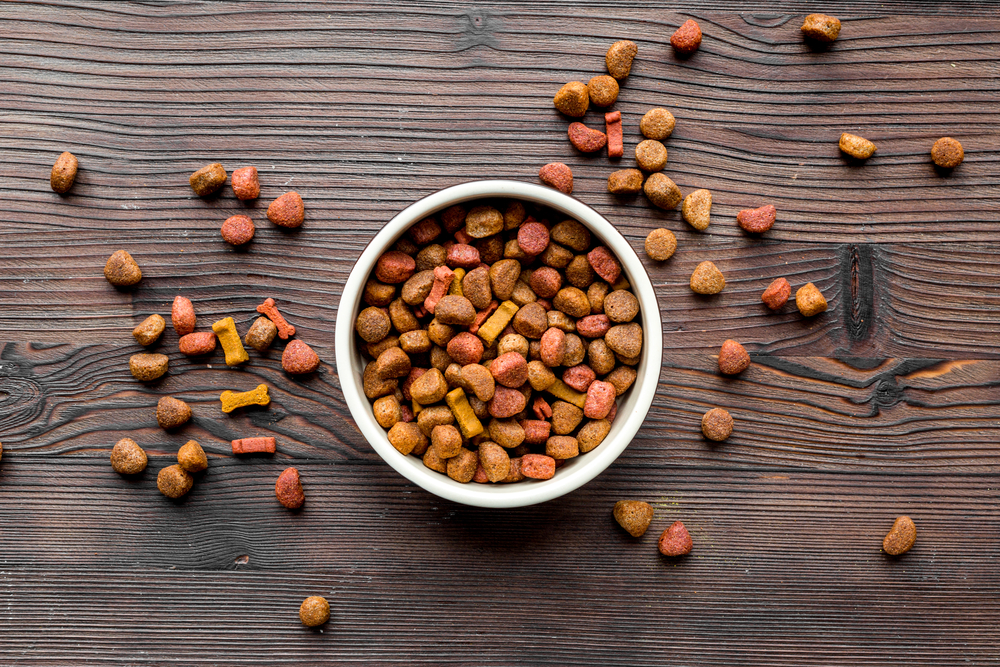
freeze dried dog food in a bowl
Image By: Anna Hoychuk, Shutterstock

Where Does Fiber Come From?

Fiber is primarily derived from the indigestible plant materials that come along with the more digestible nutrients. Assuming your dog eats some amount of plant material—most animals do. Even carnivores eat the contents of their prey’s stomach, which are often composed of various plants and grains.

What Are There Benefits of Fiber in Dog Food?

Fiber promotes healthy digestion in several ways. Fiber helps to regulate intestinal motility and digestion transit time. It bulks up the material in your dog’s digestive system, helping to give stool the right consistency. One of the most important characteristics of fiber is that it functions as a prebiotic, which means that while dogs can’t digest fiber, it is a food source for the beneficial bacteria in the dog’s digestive system. Fiber promotes the growth of beneficial gut bacterial colonies, and they in turn aid in healthy digestion and protect the dog’s health by preventing pathological bacteria from colonizing the gut. Beneficial gut bacteria play a very important role in your dog’s health. They support healthy digestion, nutrient assimilation, and immune protection.

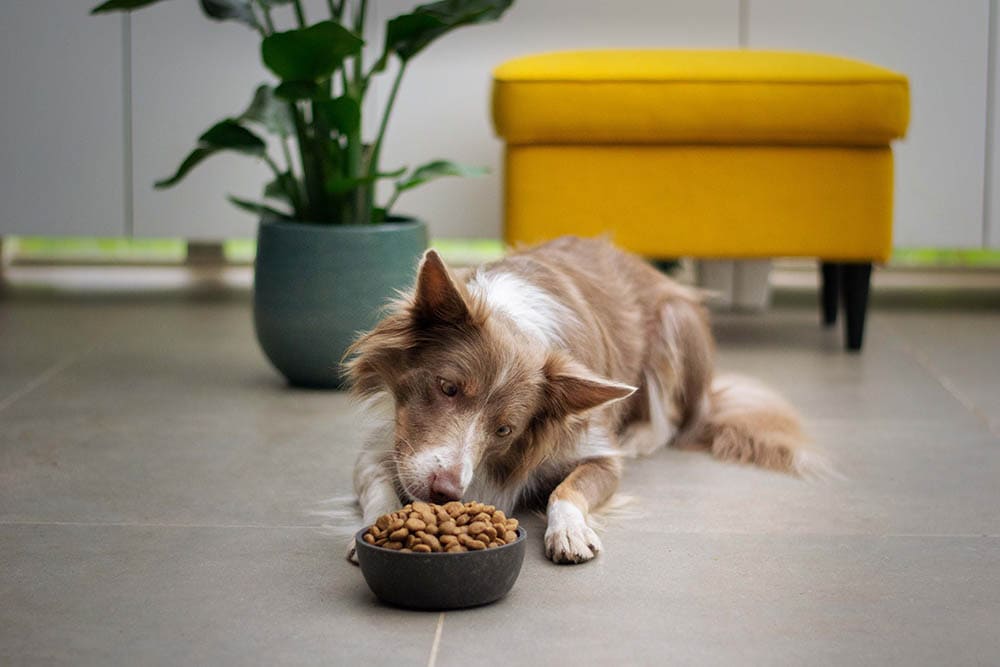
Dog behind table with bowl full of dry food
Image By: alexei_tm, Shutterstock

Are There Risks to Low Fiber Diets?

Yes! While some dogs may need a low-fiber diet for health issues, this should only be employed if your veterinarian recommends it. Low-fiber diets in humans have been linked to conditions like chronic constipation, hemorrhoids, and even bowel cancer. So, it’s best to ensure that your dog meets all its nutritional needs, including fiber.

Dogster divider_v3_NEW_MAY_24_

Summary

Understanding nutritional labels isn’t easy! Most labels are so heavily obscured with jargon that it can seem nearly impossible to get your head around the information. Luckily, we are here to help demystify the jargon. You need not worry about the safety of “crude” fiber in your dog’s food.

See Also:


Featured Image Credit: Anastasiya Tsiasemnikava, Shutterstock

Want content like this delivered to you?

Sign Up For Our Newsletter

News, insights, expert advice, and everything dog

* By submitting, you agree to our Terms & Conditions and Privacy & Cookies Policy.


How useful was this post?

Click on a star to rate (you can leave written feedback after clicking submit)

Help us improve Dogster for pet parents!

Your feedback really matters.

What did you like about this post? Also how can we improve it?

Join the conversation

Leave a Reply

You’re very welcome to leave a comment or question. Please know that all comments must meet our community guidelines, and your email address will NOT be published. Let’s have a positive and constructive conversation.


Dogster's Digital Magazine is Back!​

Dogster Magazine Cover June 2026

Vet-approved health & behavior advice

Real dog stories & community features

Ask Dr. Paola- Help! My Vet Suggests a Biopsy for My Dog! (June 15, 2026)

Welcome to our “Ask Dr. Paola” series, where every Monday we bring expert advice straight from Dr. Paola Cuevas (MVZ) to help our...

Why Some Dogs Treat Mealtime Like Playtime – And When to Pay Attention

Most dogs are reliable eaters. Bowl goes down, food disappears. So when a dog starts batting kibble across the kitchen floor, tossing pieces...

Major Win for Dogs: Ontario Becomes the Final Province to Ban Ear Cropping and Debarking

​​Ontario has approved new animal welfare regulations that will prohibit elective ear cropping and devocalization (debarking) procedures in dogs from January 1, 2027....

Dogster’s Weekly Photo Contest Winners: Most Adorable Puppy (June 8, 2026)

Every week our team gets the privilege of sorting through our readers photos to choose what dogs will win this weeks contest! See...

More related

How Well Can St. Bernards Swim? Vet-Verified Facts & FAQ

If you have a backyard pool that you enjoy swimming in, you probably want to be able to swim with your furry sidekick....

How to Stop Your Dog From Barking at Neighbors: 7 Vet-Approved Tips

Whether you need to borrow a cup of sugar or return a piece of misdelivered mail, having a good relationship with your neighbors...

Ask Dr. Paola- Barking, Kidney Failure & Diabetes (February 17, 2025)

Welcome to our “Ask Dr. Paola” series, where every Monday we bring expert advice straight from Dr. Paola Cuevas (MVZ) to help our...

Are Cats or Dogs More Popular in Australia? (2026 Stats & Facts)

Australians love their pets. Over half of all households have at least one companion animal. When it comes to dogs versus cats, which...

Keep reading

Can Dogs Be Vegan? Vet Approved Advice & Safety Tips

Responsible dog owners always want to make smarter, more ethical choices to improve their pet’s physical and mental well-being. With growing awareness around the eco-sustainability and health perks of vegetarian and vegan diets, it’s natural to wonder how a change...

The dog sits near a bowl of food and licks his tongue, dry food and fresh vegetables and fruits

Kindfull Dog Food Review 2026: Pros, Cons & Recalls

Review Summary When choosing the best dog food for your dog, there’s nothing wrong with being a little picky. Several pet owners claim Kindfull dog food is one of a kind and consider it some of the best dog food...

Dogster_Kindfull Dog Food Review

What Is Blood Meal in Dog Food? Health Facts & FAQ

You’re looking at the ingredients of your dog’s favorite dry food and come across this word: blood meal. What is it exactly? Will your beloved pooch benefit from it, or is it a potentially dangerous ingredient? The term “blood meal”...

dry dog food in a bowl on wooden table

Can Dogs Eat Sesame Seeds? Vet-Verified Nutrition Facts

If your dog has ever eyed your morning bagel, you might have wondered just how safe some of the ingredients are for them to eat. A little bread is ok from time to time, but can dogs have sesame seeds?...

Can Dogs Eat Sesame Seeds

Can Dogs Eat Cheetos? Vet-Approved Reasons, Risks, & FAQ

If you’re a dog owner, the chances are high that you’ve experienced something similar to the following situation. You finally get a chance to sit down and relax after a long day, and you take the opportunity to open a...

Can Dogs Eat Cheetos

How to Start a Dog Food Business: 10 Tips & Tricks

Given how important nutrition is to pet health, starting your own dog food business can be an interesting and even lucrative idea. Indeed, according to IBISWorld, the pet food industry brings in $27 billion a year, and it is growing...

Pet Food Packets At Store

What Is DHA in Dog Food? Vet-Reviewed Benefits, Drawbacks & FAQ

DHA is an omega-3 fatty acid that is found in fish oil. It is a popular ingredient in dog food because it is thought to have many health benefits. These include reducing inflammation, improving heart health, and aiding in cognitive...

dog eating dog food

Can Dogs Eat Falafel? Vet Reviewed Facts & FAQ

Falafel is a typically vegan-friendly Middle Eastern dish made of chickpeas or fava beans, spices, herbs, garlic, and onions and that is often served up with pita bread, tahini sauce, and with a side of salad. Now, falafel is an...

Can Dogs Eat_falafel

Love Dogs? So Do We! Join the Dogster Community

Stay informed with expert pet care insights delivered straight to your inbox! Discover professional guidance on animal behavior, feeding tips, trusted product picks, and much more.


Sign up for the Dogster Email Newsletter