In this article
I spend more time and consideration making sure the pet food I choose is good quality than I do my food. I check protein, fiber, and other nutrient ratios while trying to decipher the ingredients.
As with processed human food, it can be difficult to translate exactly what is in the ingredient list of the food, but one ingredient that I see labeled often is by-products. This can be chicken or another meat by-product. It is sometimes even labeled as a “meat by-product”, although you will see cereal and vegetable by-products, too.

What Are By-Products?
By-products are the bits that are left over after the original ingredient has been processed and prepared for use in another food. Traditionally, this means that the by-products are ingredients that are not considered fit or desirable for human consumption but can be used to turn into animal feed.
Organs like lungs, livers, and even intestines can be good for dogs, even though people turn their noses up at the ingredients. In this regard, by-products are not inherently bad in dog food.
However, as well as including organs and parts of the animal that people rarely eat, by-products might also be considered unfit for human consumption because of the way they have been handled or the way the animal died. If this is the case, the by-product needs to be heat treated or “rendered” to ensure no harmful bacteria remains in the final product.
This means that by-products are not necessarily unsafe for canine consumption, either. The big problem with the use of by-products is the vague labeling, especially with the most generic of ingredients, meat by-products.
The Case for By-Products as Dog Food Ingredients
The term “by-products” does not mean that an ingredient is inherently bad for dogs. With meat by-products, it can mean offal and organs that are not normally consumed. These can be packed with nutrients including some vitamins and minerals that are essential to a dog’s good health. In the wild, dogs would consume virtually every part of a prey animal.
Consuming by-products also means using more of the animal or other food product, which means less waste. This is better for the environment and is more sustainable. However, most people won’t eat organs like hearts and intestines, which means these parts of animals will often go to waste.
As well as using up otherwise wasted products, by-products tend to be available for cheap. This can help keep the cost of pet food down. If you’re shopping on the budget end of the dog food scale, you will likely find more instances of by-products in the food.
The Case Against By-Products as Dog Food Ingredients
Unfortunately, “by-products” don’t only refer to otherwise unwanted types or cuts of meat. It can also mean that the meat has not been handled or stored properly. It may be left out before it is gathered or used, without adequate refrigeration or storage. The animals may have also died from means other than slaughter. This can lead to an increase in bacteria, which is why it needs to be processed correctly before being put into the dog food. There are pet food recalls that arise as a result of bacteria and other problems that may have been caused by unsanitary food handling conditions, although this is not necessarily due to “by-products” being used.
The term “meat by-products” does not give any indication as to the type of animal that the meat came from. If your dog is one of the small number that has food allergies or intolerances that are triggered by a particular meat product, there is no way of telling whether the food contains the offending ingredient until it is too late.
By-products are cheap ingredients. There is no guarantee that the by-products have been handled well or even that they contain the protein, vitamins, and minerals that you would expect from whole foods or the original food source. Although they are most often found in budget foods, you can still find some by-products in expensive dog foods, which keeps the cost of manufacturing the food down, but only benefits the manufacturer.

3 Tips to Choose the Best Dog Food
Diet and nutrition are closely linked to health and general well-being. That’s as true of dogs as it is of people, and it means that you should find the best food available for your dog that meets your budget. Some tips to help ensure you give your dog a good diet include:
1. Buy According to Life Stage
Puppies and senior dogs have different nutritional requirements from one another and adult dogs. The Association of American Feed Control Officials (AAFCO) does not stipulate the nutrient profile of senior dog foods, so we recommend asking a veterinarian about the best option for your senior dog. As well as needing different amounts of protein and calories, dogs at different stages of life need different amounts of vitamins and minerals. Choose a food that matches your dog’s life stage but still check the nutritional ratings to be sure that it is suitable for your pup.
You can even choose a food that is targeted at your dog’s specific breed or the type of dog you have, for example, a working dog. Some foods contain or exclude ingredients according to certain illnesses or conditions.
If you need to speak with a vet but can't get to one, head over to PangoVet. It's our online service where you can talk to a vet online and get the personalized advice you need for your pet — all at an affordable price!
2. Ensure Animal Products Are Among the First Ingredients
Dogs are omnivores. This means they can and should eat a combination of ingredients derived from plants and animals, but animal ingredients are high in protein, and they contain some essential amino acids that are very difficult to get from other sources.
While looking at the ingredient list, ensure that animal derivative ingredients are at the top of the list. The top two or three ingredients will typically make up the bulk of the food.
3. Monitor Your Dog
When introducing your dog to any new food, take it slowly and transition your pup from their old food to their new food gradually. This will help avoid upset stomachs. Even if the transition is going smoothly, and you have moved over to the new food, keep an eye on things like stool formation but also signs like coat condition and general energy levels for your dog.
Negative changes in such factors can be a sign of an inferior food.

Is Wet Food Better for Dogs Than Dry Food?
Most dogs can thrive on a dry-food diet and there are pros and cons of wet and dry food. Dry food is generally cheaper and helps with dental health. Wet food is sometimes more palatable and boosts hydration due to the moisture content. Whatever type of food you choose, ensure it is AAFCO approved and meets the nutritional requirements of your dog according to age, life stage, dog type, and general condition.
What Ingredients Should I Avoid in Dog Food?
This mainly comes down to personal preference. If your dog food contains AAFCO approved ingredients, there is sufficient evidence that they are not immediately harmful to your dog. Some people prefer to avoid by-products and stick to natural preservatives like tocopherols.
You can also avoid artificial colors. There is no reason to color dog food. Your pup has no preference when it comes to food color, so these ingredients are only added to make the food more appealing to human owners.
Conclusion
There is a strong link between the food you feed a dog and the general health and well-being of the pup. Good food, that is appropriate for your dog’s circumstances, gives a better chance of a healthy and long life. Poor-quality food that isn’t appropriate for your pup increases the likelihood of illness and poor general condition.
Although by-products are not inherently bad, the term is very vague. Ultimately, it is up to you whether you feed food that contains by-products, however, and there are plenty of foods that do contain these ingredients, as well as many that do not.
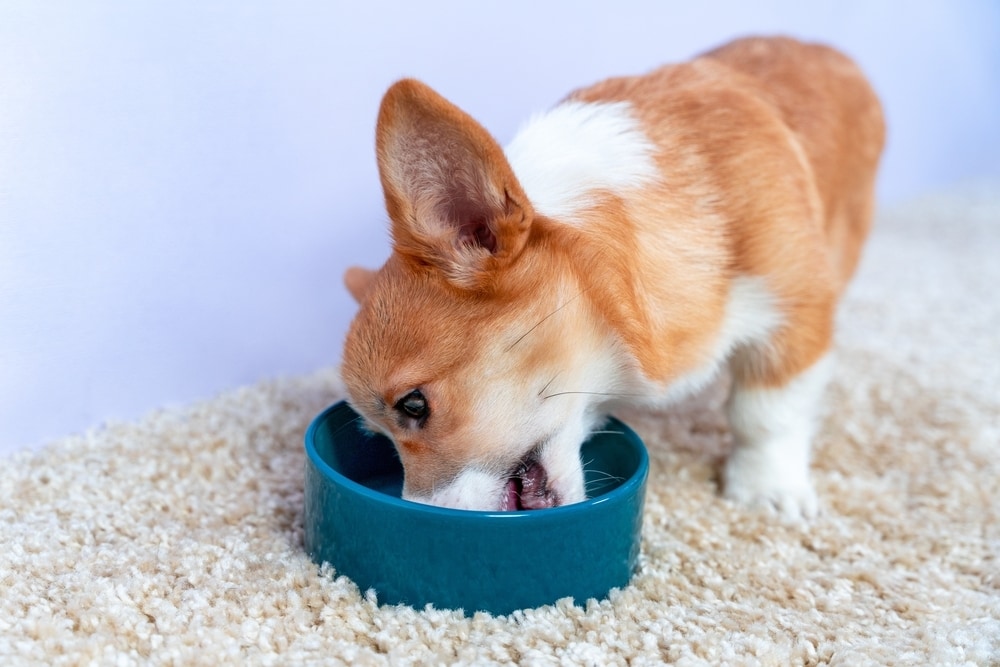
Featured Image Credit: Sergey Fatin, Shutterstock