In this article
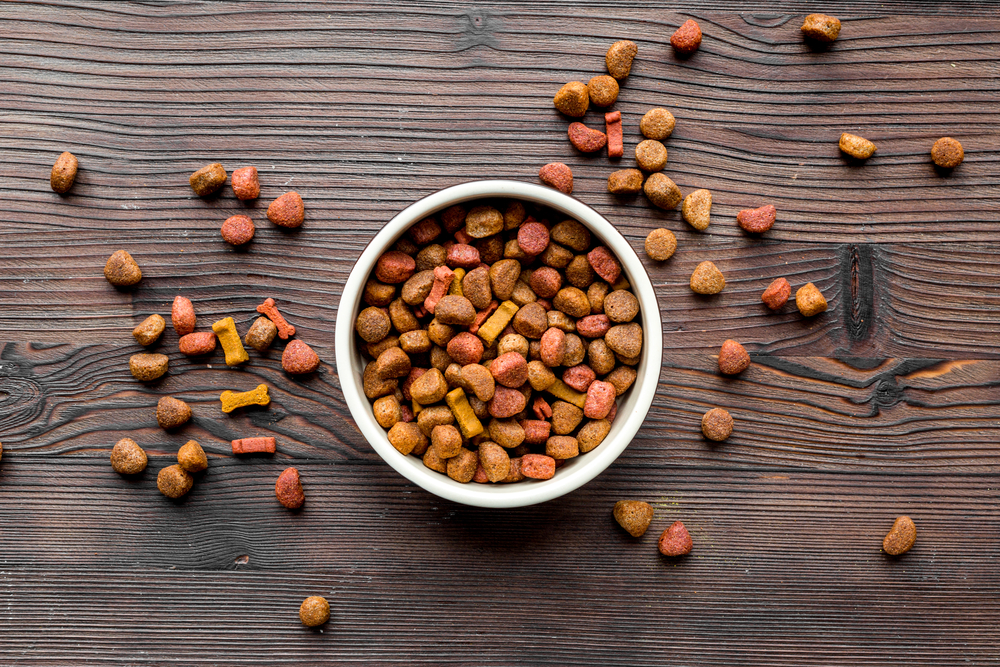
Dogs are omnivores and therefore should eat a wide variety of different foods. This is why many commercial dog food brands have grains in their formulas. However, there are nearly as many “non-traditional” food options on the market that do not include grains.
So, is grain-free dog food better than the conventional options that do include grains? The issue isn’t cut and dry, but there have been findings that indicate that in certain cases, a grain-free diet may be harmful for dogs. Read on to learn more.

What Exactly Is Grain-Free Food?
Grain-free dog food essentially lacks what we humans think of as carbs. For example, you won’t find any wheat, corn, quinoa, or rice in the ingredients list. However, the truth is that grains are not just carbohydrates (which aren’t necessarily bad, anyway, as our bodies use carbs as energy). Grains also contain important components like vitamins, minerals, fiber, and protein. It’s also important to note that grains are not the only source of carbohydrates in a typical human or dog diet.
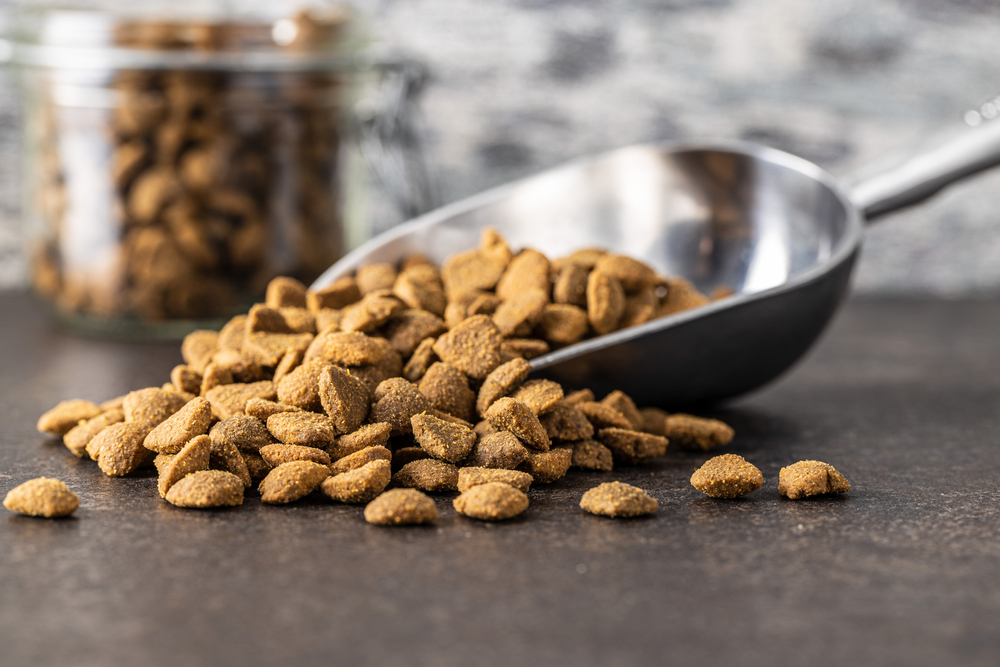
The FDA Weighs In
The FDA is aware of the concerns about an uptick in the development of a problem called secondary dilated cardiomyopathy (DCM) among dogs. Primary DCM is a disease related to certain breeds that are genetically susceptible to it. It causes the chambers of the heart to thin and dilate (get larger), which can lead to serious issues like arrhythmias and even heart failure or death. Breeds that are considered susceptible to DCM include the Great Dane, Cocker Spaniel, Doberman Pinscher, and Boxer.
However, in 2018, reports were submitted to the FDA that highlighted dogs that were developing DCM and were not genetically predisposed to the disease. This type of disease is known as secondary DCM. The common denominator that many of these dogs had in common was their grain-free diet. Fortunately, in many cases, switching them to a diet that included grains was enough to at least partially reverse the disease signs, and many of the dogs recovered over time.
Since 2018, several peer-reviewed studies have been published, and hundreds of cases of DCM in both dogs and cats have been submitted to the FDA. The most recent data suggests that it may not necessarily be the lack of grains in grain-free diets that creates conditions for DCM to develop in canines. There seems to be a correlation between dogs developing DCM and eating foods that are high in legumes, such as peas and lentils (and certain forms of potato), in place of grains.1 There are no other concerns that seem to indicate that grain-free diets are bad for dogs. However, the possible development of DCM may be enough of a turn-off.
Let’s now talk about whether grain-free diets have been found to be superior or healthier in any way to mainstream diets that do include grain.
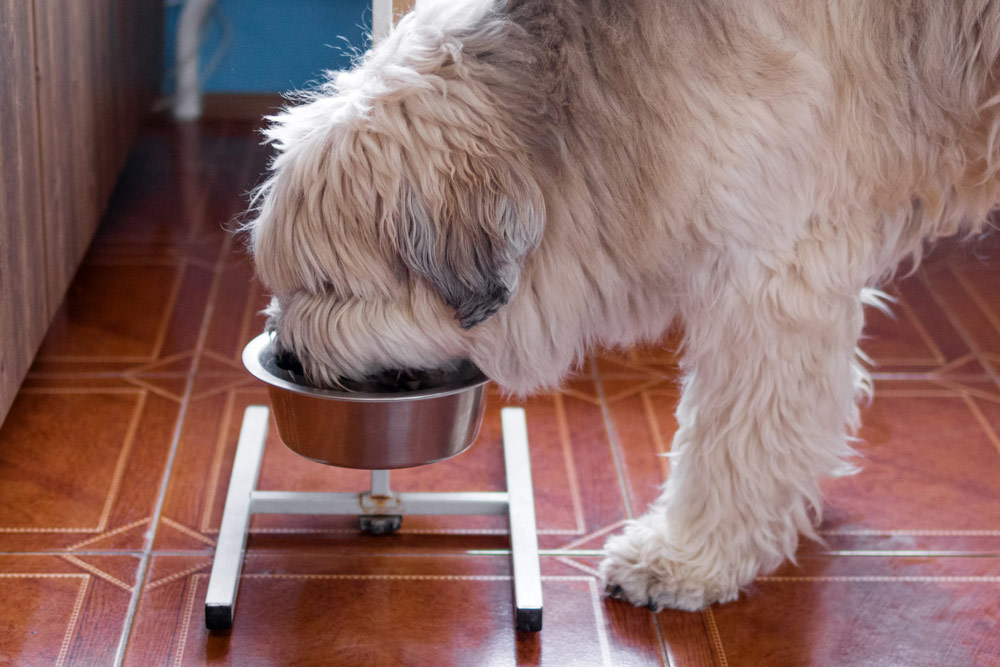
Is A Grain-Free Diet Superior to a Traditional Diet?
While several studies have shown that grain-free diets may contribute to the development of secondary DCM in dogs, there are a few specific cases where a grain-free diet is indicated and beneficial. These include Irish Setters with gluten-sensitive enteropathy, and Border Terriers with Epileptoid Cramping Syndrome.1, 2
Other than in these two particular examples, there are no known studies that support the narrative that grain-free diets are superior to traditional diets. Grain-free diets are not necessarily better nutritional options for dogs than diets that do include grains, especially quality whole grains like brown rice, barley, and even wheat. In fact, excluding grain from a dog’s diet can result in nutrient deficiencies, including:
- Thiamine
- Cobalamin
- Zinc
- Magnesium
- Iron
- Folate
- Calcium
A dog on a grain-free diet may not get all these nutrients in sufficient amounts to sustain a healthy life as the months and years pass. This isn’t to say that grain-free foods can’t be supplemented to achieve a well-balanced nutritional profile. However, it can be tough to know which foods are appropriate without doing serious research, putting in the legwork, and consulting with a veterinary nutritionist.
If you need to speak with a vet but can't get to one, head over to PangoVet. It's our online service where you can talk to a vet online and get the personalized advice you need for your pet — all at an affordable price!

What to Look For in a Quality Dog Food
Grains should not be the first ingredient considered when choosing a food for your beloved canine. The first thing to look for is a label that states that the food complies with Association of American Feed Control Officials (AAFCO) standards. These are set to ensure that commercial food products meet the nutritional needs of pets without owners needing to supplement the food in any way.
Any brand that you consider offering to your dog should have a disclaimer in some fashion that its food provides complete nutrition that is based on official AAFCO standards. Some food products proudly display the disclaimer on the front panel, while others are more obscure about it. Many include a statement near the nutrition information label.
Nutritional needs vary depending on things like a dog’s age, breed, activity level, and health. Therefore, it’s a good idea to choose foods that are formulated for specific life stages, such as puppy, adult, and senior. You should also consult with a veterinarian to determine whether certain ingredients or nutrients should be avoided or sought after when choosing a food for your pup.

Grain-Free Diets Are Fine for Some Dogs
Many dogs do well on grain-free diets, especially if they have a (rare) allergy to grains. If a dog does develop a health condition like DCM while on a grain-free diet, a change in diet and other treatments can alleviate the problem. A veterinarian may also find that a grain-free diet is necessary for your dog’s good health during a specific time in their life. Things change as time passes, however, and your dog might not need to stay on a grain-free diet forever.
Overall, grain-free diets are not proven to be better or superior in any way to diets that do include grains. In fact, it can be argued that diets including grains are best, in most cases. If you’re in doubt about what your dog should be eating, consult with a trusted veterinarian who is experienced in canine nutrition.
Conclusion
Most dogs can eat grain-free diets without a problem, but there does seem to be a correlation between such a diet and the development of secondary DCM. That said, no solid conclusions have been made and no organization, not even the FDA, has made an official statement against special diets that do not include grains. Still, it’s best to consult with a veterinarian when it comes to deciding what kind of food your dog should be eating.
Featured Image Credit: 279photo Studio, Shutterstock