Get

In Your Inbox

Dogster is reader-supported. When you buy via links on our site, we may earn an affiliate commission at no cost to you. Learn more.

How to Protect Dog Paws in Winter: 10 Vet-Reviewed Tips & Tricks

Share

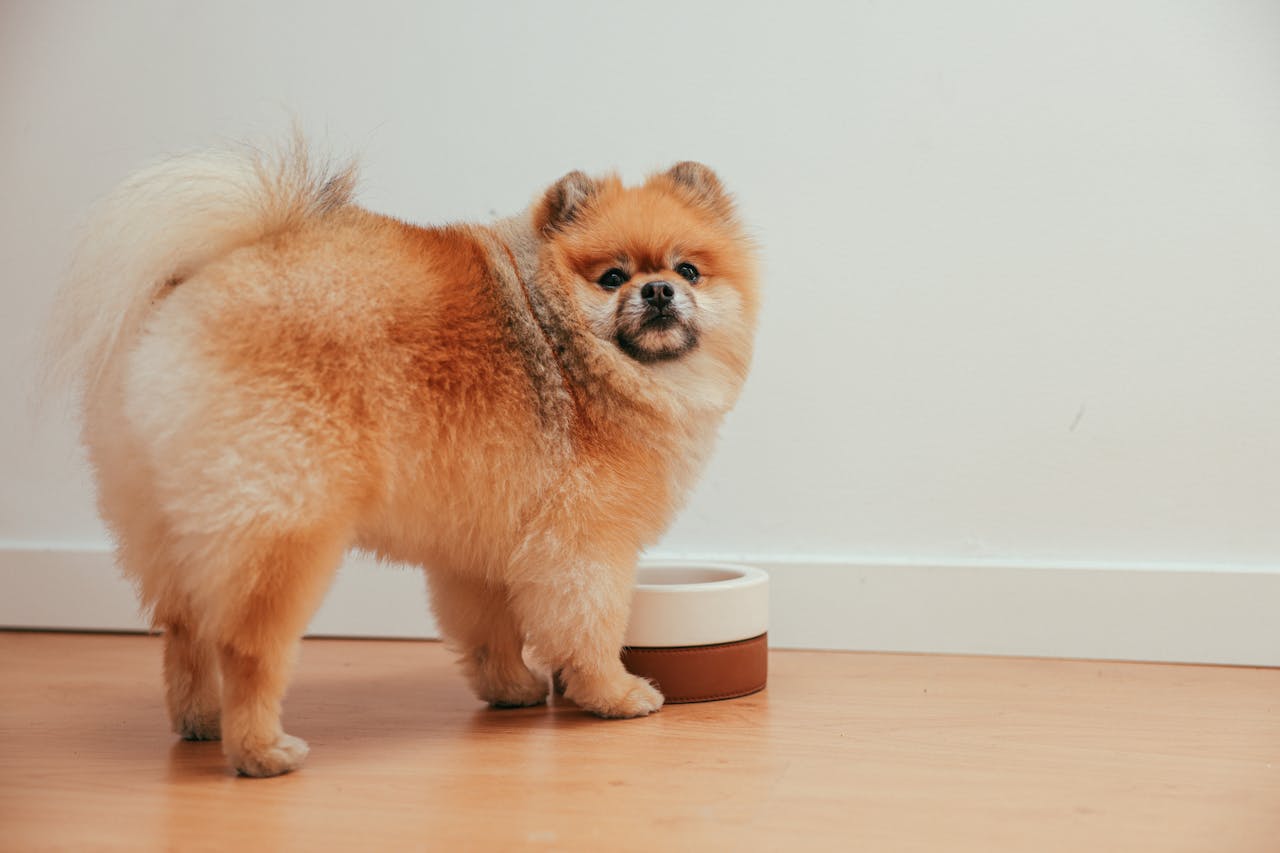
pomeranian wearing dog boots on a winter walk

Winter can be a challenging time for our pets. The temperature is one thing, but it also poses new health risks that don’t exist when conditions are less demanding. Staying warm is crucial since it can affect an animal’s chances of staving off hypothermia. Other concerns rest with their extremities, including their paws, as they come in direct contact with the cold.

Some breeds, like Siberian Huskies, are more cold-tolerant than others. They have adapted to these extreme conditions in ways that make it less stressful and harmful for them. They seem to relish the freezing temperatures. However, protecting a dog’s paws must be at the forefront because these body parts are vulnerable to frostbite and its complications.

divider dog paws 4 oct 2024

Before You Start

Several factors affect the safety of walking your dog outside. Snowstorms are an obvious issue, but bitter wind chills and extreme temperatures are another concern. The cold will impact small pets more than large animals because of their varying surface area ratios. So, you might consider alternative indoor options like pee pads for toy breeds.

However, there is a lot more that goes into protecting a dog’s paws during the winter. Let’s go over some of our best tips and tricks to ensure your pup’s paws stay protected.

The 10 Tips for Protecting Dog Paws During Winter

1. Check the Conditions Before Heading Outside

A walk during a snowstorm may sound romantic, but your dog may feel otherwise. It can make a simple small task into a big chore. Therefore, we suggest checking the weather before going outside for anything coming your way during your usual time outdoors. You may find a walk in the neighborhood a better choice than hitting the trail if inclement weather is approaching.

woman opening the window
Image by: Pixel-Shot, Shutterstock

2. Keep Your Pet’s Paws in Good Shape

We recommend keeping your dog’s paws in good shape by trimming their nails and clipping the excess hair around their feet. That can prevent ice from forming on their fur and making painful ice balls between their pads. Of course, the more you handle your dog’s feet, the more they will become used to it. It’ll make it more manageable to examine them if you notice your pet limping or showing other signs of discomfort.


3. Invest in a Pair of Dog Boots

Dog boots may seem silly, but they are practical. They can prevent many cold-related injuries by providing an extra layer between your pet’s paws and the frozen ground. The design of these products has come a long way from the old-fashioned, galosh-styled boots. They are more comfortable and secure. Manufacturers have even made them look sporty and fashionable. Just be sure to try different kinds to find a product your dog will tolerate.

hand holding dog boots
Image by: Galina-Photo, Shutterstock

4. Get Your Pet Used to Wearing the Boots

Boots are a sound investment, but they do little good if your pet refuses to wear them. Getting your pet used to the feeling of the boots is essential for protecting their paws when it matters most. Treats are an excellent way to overcome any objections your dog may have to them. Reward your pooch and praise them for tolerating the boots, and be sure to keep up with these lessons year-round.


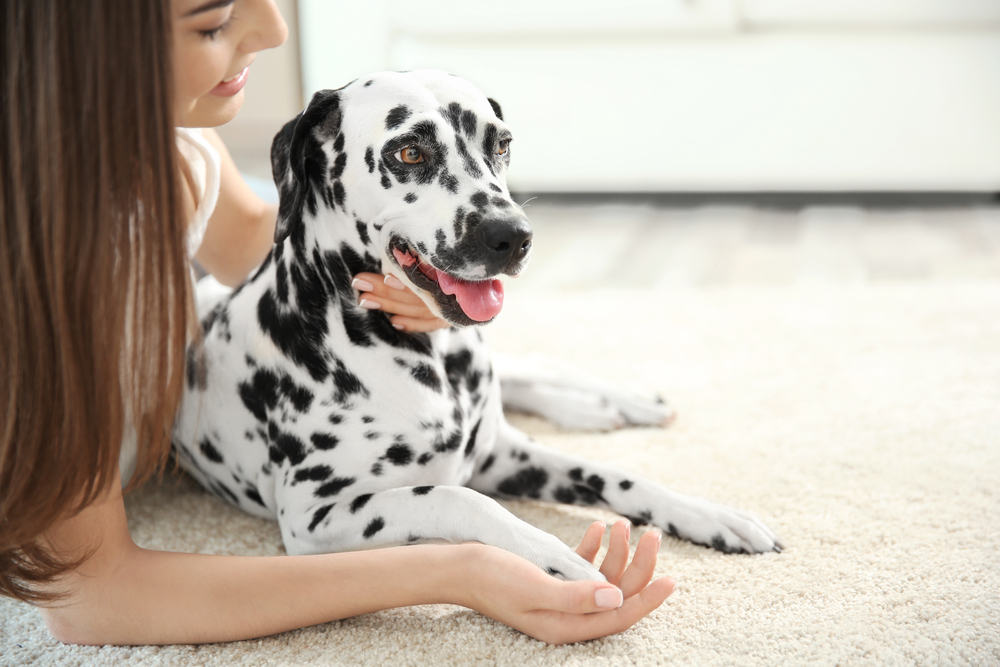
5. Check Your Pet’s Paws Before Going Outdoors

You can avoid many issues with your pet’s paws by checking them before going outside in winter conditions. Cracking and open sores can make them more vulnerable to further injuries and complications. We suggest massaging their pads to determine if there are any problems which could lead to further issues.

dog giving paw to the owner
Image by: New Africa, Shutterstock

6. Buy Some Paw Balm

Sometimes, boots are overkill, and some dogs might refuse to tolerate them. However, that doesn’t mean you should neglect your dog’s paws. We recommend getting some paw balm to protect them during inclement weather. These products are pet-friendly and safe to use for animals that may lick the balm off their paws.


7. Shovel Walkways Around Your House

The chances are that you’re going to walk your dog someplace where it’s already been shoveled. That can reduce problems with their paws. However, take the same message to your home. Make sure to keep all areas where your dog may walk clear, such as the driveway or the pathways they use to run around the house.

person shoveling snow
Image by: Damian Lugowski, Shutterstock

8. Use a Pet-Friendly Deicing Product

Deicing products are sometimes necessary for your safety. However, salt can do a number on your lawn, and many aren’t safe for pets. Luckily, some pet-friendly deicers exist that don’t carry the same risks. These products are a bit more expensive but worth the investment.


9. Wipe Their Paws After Coming in From a Walk

Assuming your walk outside is on sidewalks or pavement where the city applies deicing products, always make sure that you’re wiping your dog’s paws when they come in, as ingestion of these products can be highly toxic, and leaving them on there will cause damage to the paws.

owner wiping beagle dog's paw
Image by: algae, Shutterstock

10. Limit Their Time Outside

During the winter, it’s wise to limit your pet’s time outside if it can adversely affect their paws. It makes sense to make the most of your time outside to get the job done quickly to avoid issues. Pay attention to your pet’s habits to learn when the best time is to go outside to minimize the time they need to spend outdoors in the cold.

divider dog paws 4 oct 2024

Final Thoughts

A dog’s paws are vulnerable to injury during challenging times like winter. Ice can be sharp and can hurt them, and cold temperatures can cause frostbite. Understanding the risks and taking protective actions are imperative to keeping your pet healthy. Technology has given us many tools to protect our animal companions, but it’s up to us to implement them.


Featured Image Credit: Pencil case, Shutterstock

Want content like this delivered to you?

Sign Up For Our Newsletter

News, insights, expert advice, and everything dog

* By submitting, you agree to our Terms & Conditions and Privacy & Cookies Policy.


How useful was this post?

Click on a star to rate (you can leave written feedback after clicking submit)

Help us improve Dogster for pet parents!

Your feedback really matters.

What did you like about this post? Also how can we improve it?

Join the conversation

Leave a Reply

You’re very welcome to leave a comment or question. Please know that all comments must meet our community guidelines, and your email address will NOT be published. Let’s have a positive and constructive conversation.


Dogster's Digital Magazine is Back!​

Dogster Magazine Cover June 2026

Vet-approved health & behavior advice

Real dog stories & community features

Ask Dr. Paola- Help! My Vet Suggests a Biopsy for My Dog! (June 15, 2026)

Welcome to our “Ask Dr. Paola” series, where every Monday we bring expert advice straight from Dr. Paola Cuevas (MVZ) to help our...

Why Some Dogs Treat Mealtime Like Playtime – And When to Pay Attention

Most dogs are reliable eaters. Bowl goes down, food disappears. So when a dog starts batting kibble across the kitchen floor, tossing pieces...

Major Win for Dogs: Ontario Becomes the Final Province to Ban Ear Cropping and Debarking

​​Ontario has approved new animal welfare regulations that will prohibit elective ear cropping and devocalization (debarking) procedures in dogs from January 1, 2027....

Dogster’s Weekly Photo Contest Winners: Most Adorable Puppy (June 8, 2026)

Every week our team gets the privilege of sorting through our readers photos to choose what dogs will win this weeks contest! See...

More related

9 Best Medicated Dog Shampoos for Skin Allergies in 2026 – Reviews & Top Picks

Itchy skin is one of the most common reasons for dogs to end up at the vet’s office, and it’s something that can...

Where Do Dogs Like to Be Pet? 3 Vet-Approved Steps to Satisfaction

For most dog lovers, when an adorable, tail-wagging dog is within sight, there’s an immediate pull to hurry over and pet them. While...

Blue Great Dane: Info, Pictures, Origin & History

The Blue Great Dane might look intimidating, but they’re gentle and friendly when properly trained. They make excellent pets for singles, families, and...

My Dog Ate a Rib Bone, What Should I Do? Our Vet Explains

Some dogs will do anything to get onto the counter and grab a taste of whatever we are eating. Other times, potentially dangerous...

Keep reading

Whimzees Dog Treats Reviews 2026: Pros, Cons & Verdict

If you’re looking for an all-natural, grain-free dog treat to help clean your pup’s teeth and freshen their breath, then Whimzees dog treats are just what you need! These dental chews, made in the Netherlands, come in various shapes, sizes,...

Whimzees Dog Treat

Nulo Puppy Food Review 2026: Recalls, Pros & Cons

Review Summary Nulo Dog Food focuses on high-protein recipes with low carbs and low glycemic ingredients. This independently owned company is based out of Austin, Texas, with facilities in Nebraska, Kansas, and North Dakota. All facilities are approved by the...

Dogster_Nulo Puppy Food Review

Only Natural Pet Dog Food Review 2026: Recalls, Pros & Cons

Review Summary If you’re interested in grain-free dog foods that come in multiple recipes and varieties, then dog food from Only Natural Pet may be exactly what you’re looking for. Whether you prefer to feed your dog an ancestral diet...

Dogster_Only Natural Pet Dog Food Review

10 Best Senior Dog Foods for Weight Loss in 2026 – Reviews & Top Picks

As dogs age, they become less active, and their bodies are less able to burn off calories. Therefore, senior dog food often has fewer calories than adult dog food, but that isn’t always the case. When shopping for the best...

Senior dog eating dog food

We Feed Raw Dog Food Review 2026: Our Expert’s Opinion

Has your dog had digestive issues? Have you often wondered whether his or her kibble could be the culprit? If so, you are not alone. It is something all pet parents go through at some point in time. You may...

Dogster_We Feed Raw Dog Food Review

Can Dogs Eat Butter? Vet-Approved Nutrition Advice

It isn’t uncommon to feed your dog a bite or two from your plate; our canine pals are always overjoyed to get a taste of what we’re eating! But not everything we like eating is healthy or safe for our...

Can Dogs Eat Butter

9 Best Puppy Foods for Small Breeds in 2026 – Reviews & Top Picks

Small dogs may think they are big and intimidating, but their nutritional needs are unique. Small breeds have smaller stomachs and higher metabolisms, so they need nutrient-dense formulas to ensure adequate nutrition without weight gain. Finding the appropriate food for...

jack russell terier puppy eating food from bowl

Pet Tutor Mini Feeder Review 2026: Pros, Cons & Verdict

Review Summary Have you been looking for a better way to train your canine companion? If so, you may want to invest in a treat dispenser of some kind, like the Pet Tutor Mini Feeder. This dispenser can help you...

Pet Tutor Mini Feeder Review

Love Dogs? So Do We! Join the Dogster Community

Stay informed with expert pet care insights delivered straight to your inbox! Discover professional guidance on animal behavior, feeding tips, trusted product picks, and much more.


Sign up for the Dogster Email Newsletter