Getting rid of fleas is a two-pronged process. You have to remove fleas from your dog and your home. Otherwise, your dog will keep reinfecting in a never-ending cycle. It’s also important that you treat both at the same time, and treating all pets in the household is a must.
How you treat your pet is not the same way you need to treat your home. There aren’t many ways to do either option, at least not ways that are effective! We’ll review the most effective options below. Often, it works best if you do several options at once. Remember that anytime you have a flea problem, you should consult with your veterinarian for the safests and most effective methods for your particular case.

The 8 Tips for Getting Rid of Fleas on Dogs & in Your Home
1. Medicate Your Dog
By far, the most effective way to get rid of fleas is to medicate your dogs. The medication kills fleas effectively (at least, good-quality medication kills fleas effectively). You can ask your vet for flea medication or purchase it from an independent retailer. Just be sure you end up with an effective medication, which often means a more expensive drug that is definitely worth it.
You can find these medications in several forms, such as chewable tablets, topical liquids (spot on), and collars. Both consumable options and topical liquids are great choices. Collars can be hit-or-miss, and they might be more likely to cause skin reactions or to get lost.
Ask your vet about the best flea medication for your dog, especially if your dog has an underlying health condition. Some options are just safer or better for certain breeds and ages than others. Other dogs may have underlying health problems that make some medications potentially harmful.
If you need to speak with a vet but can't get to one, head over to PangoVet. It's our online service where you can talk to a vet online and get the advice you need for your pet — all at an affordable price!
2. Be Persistent
It’s easy to do one of these treatments and think you’re done! However, this is not the case in hardly any situation. You should continue with the treatment during the whole flea season or, depending on the climate where you live, all year long. Just remember that fleas can live inside a warm house year-round no matter where you live.
You must follow the manufacturer’s and your vet’s recommendations in terms or reapplication of the product. If you notice fleas after applying a product, it’s best to consult with your vet on whether you can reapply it or if you should perhaps consider a different method, as repeating the administration of the product too soon can be harmful for your dog. You will also have to vacuum your whole house several times. That’s a lot of work. However, if you put the work in upfront, you’ll need to do far less work overall.
It’s much better to stomp out all the fleas upfront than fight a continuous battle for months. It’s important to be persistent and dedicated to whatever method you choose. Continue to treat your dog and home even after you stop seeing fleas. Often, we see fleas only after a heavy infestation has developed.
3. Vacuum
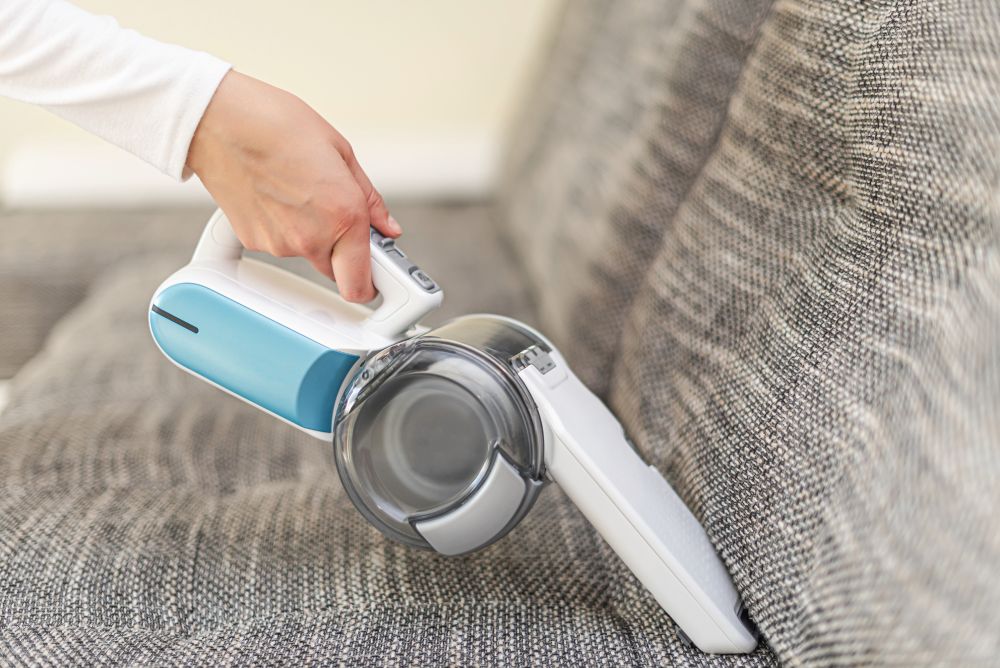
Vacuum everything in your home. Everything! Carpets, rugs, upholstery, and any other area at all. Pay particular attention to where your dog spends time, like their bedding or the blanket they lay on. Fleas also like to hide along baseboards, under furniture, and in pet bedding. They try to hide in creases and other cracks, too.
Empty the vacuum bag outside right away after each use. Research has found that vacuuming is highly effective at killing all stages of cat fleas;1 however, since operational factors, such as the type of cleaner and the type of carpet, can make a difference in the efficacy of this method, it’s best to be safe rather than sorry and empty the bag outside.
You should preferably vacuum everything everyday or every other day for several weeks. Yes, this does take a lot of time. However, it’s very effective at removing fleas at every life stage and is much safer than some other methods.
4. Wash Bedding
If your dog’s bedding can go into the washer, wash it thoroughly. Preferably, you should do this in hot water, which kills fleas. Vacuum the bedding before throwing it into the washer for the best results.
While your dog’s “official” bedding should be washed, consider the other things they lay on, too. If they lay on your bed, they should be washed thoroughly. If they lay on the couch, figure out if the cushions can be washed. Dry cleaning bedding is also possible if it cannot be washed. However, this is often expensive and may not be worth it if the bedding isn’t worth much, anyway.
5. Prevent Future Infestations
Once you’ve gotten fleas, it’s important to prevent them from coming back. Often, fleas are not brought into your house by your dog. Instead, they tend to come on your clothes and then infect your dog. Therefore, just because your dog isn’t interacting with other dogs doesn’t mean they won’t end up with fleas.
Of course, this can be very frustrating for pet owners! For most flea infestations, you’ll have no idea why your dog has them or where they came from.
To prevent future infestations, it’s best to keep your dog on preventative medication. If those first few fleas cannot find an unmedicated host, you’ll probably never know they existed. Preventing fleas might seem expensive, however, it’s much more expensive to get on top of a flea infestation, especially when you consider all the time you’ll need to spend to get rid of it.

6. Yard Treatment
If you have a yard, you’ll likely need to treat it, as well. Otherwise, there might be immature stages of fleas living in your yard, and your pet will just keep bringing fleas in and reinfecting the house. These treatments can be expensive. You can purchase a commercial treatment to do yourself or hire someone to treat your yard. Either way, be sure to select an option that’s safe for pets and children.
Yard treatments should be a last resort, too. They don’t just target fleas, and they are always potentially harmful to the surrounding wildlife. However, they may be your only option if your yard is infested with fleas.
7. Bathe Your Dog
You could also bathe your dog well with a flea shampoo, but this is not often necessary. Look for a shampoo that is specifically formulated for killing fleas. Not all shampoos work. While water and soap might kill a few fleas, the most effective options will be designed to kill fleas. Shampooing your dog can also help getting rid of flea dirt and dead fleas as the treatment works, but this is also achievable by combing or brushing your dog.
Flea shampoos can be a bit irritating, though, so we highly recommend following the instructions on the label carefully and rinsing very well.
Don’t use this shampoo several times in quick succession, though. If the first bath doesn’t work, don’t repeat it. Baths work best when used in conjunction with medication, not as the sole treatment. Using the shampoo many times can lead to irritation and skin issues.

8. Hire a Professional Flea Exterminator
If you have a real flea problem and the above steps have not helped you enough, do not panic. It may sound extreme, but hiring a professional flea eradication service can provide the solution you need.
In addition to following a strict vet-approved flea treatment protocol for your dog, professional services will eliminate fleas from your home and ensure that all stages of fleas are killed.
Final Thoughts
Fleas can be very persistent. So, it’s important that you’re more persistent than the fleas! Take your time to vacuum your home thoroughly and treat your dog with a vet-approved medication for as long as necessary, even throughout the year. These are the main two ways to remove fleas once they’ve already set up shop.
Getting rid of a flea infestation is a lot of work. Like with most things, it’s often easier to prevent fleas than get rid of them. Continue your dog’s flea medication past when you see fleas to prevent future infestations. Fleas can come from many places, including your workplace or friends’ house! Therefore, flea medication is vital to preventing fleas.
See Also:
- Fleas & Ticks On Dogs in the Northwest
- Does Dawn Dish Soap Kill Fleas on Dogs? Vet Reviewed Facts & FAQ
Featured Image Credit: MitchyPQ, Shutterstock
 The 8 Tips for Getting Rid of Fleas on Dogs & in Your Home