We often refer to dogs as a man’s best friend and an affectionate creature that fills our lives with joy, love, and endless companionship. Yet, they cannot verbalize when they are in discomfort or dealing with health issues.
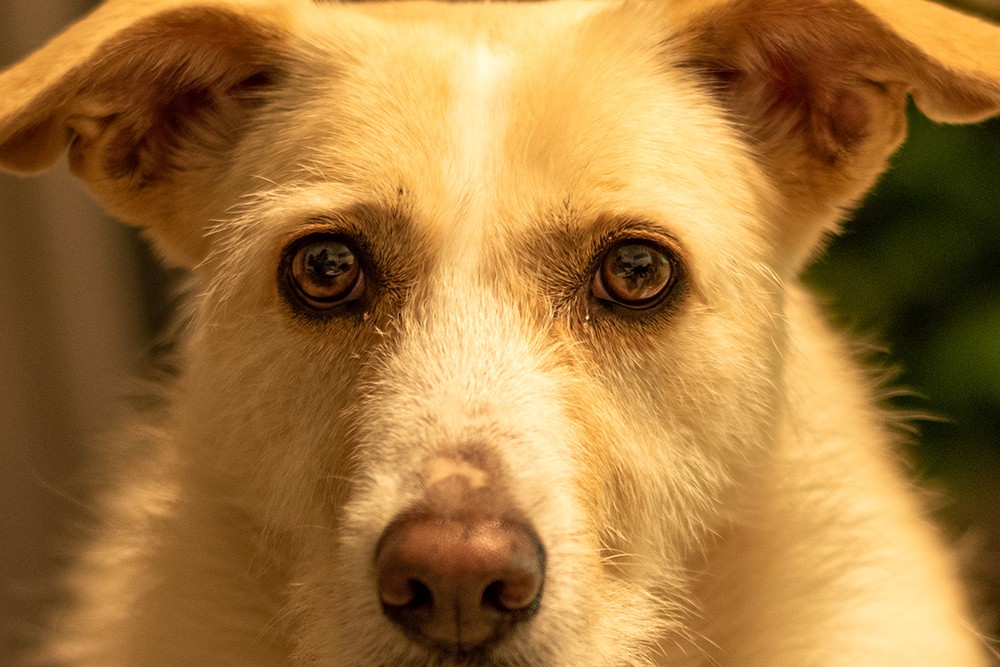
So, it is up to us, their caretakers, to watch for signs, and one such indicator can be found right in their eyes—specifically, dilated pupils. This guide aims to explore the possible reasons behind dilated pupils in dogs and offer suggestions on what you can do if your fur friend exhibits such signs.

The 7 Reasons for Dilated Pupils in Dogs
1. Iris Atrophy
A dog’s pupils being dilated can be caused by iris atrophy. This is a condition that may affect older dogs, caused by the degeneration of the iris sphincter muscle.1 This muscle plays a crucial role in constricting and dilating the pupil. As it deteriorates, the muscle becomes unable to effectively control the size of the pupil, resulting in persistent dilation.
While iris atrophy can be a normal part of aging, it’s also associated with various eye disorders, albeit less commonly. If you notice changes in your elderly dog’s pupil size, a trip to the vet is warranted to identify any potential underlying issues.
2. Glaucoma
Glaucoma is an eye condition characterized by increased pressure within the eyeball, leading to persistent pupillary dilation. This condition is usually genetic, but other causes are possible. It involves a problem with the drainage of the fluid inside the eye (aqueous humor).
It can cause significant discomfort, and without timely intervention, it can even result in blindness. If your pet exhibits signs of glaucoma (dilated pupils, cloudy eyes, bumping into things, visible eye pain, etc.), it’s essential to have their eye pressure measured by a vet immediately.

3. Head Trauma
Dilated pupils can be a crucial indicator of head trauma in dogs. Much like in human medicine, canine healthcare professionals also check for pupil dilation following a head injury. It could suggest changes to the intracranial pressure and potential internal bleeding in the brain or a neurological issue that needs immediate attention.
Swift intervention is vital in these cases to decrease intracranial pressure and prevent the escalation of complications. Always consult a vet immediately if your pet experiences any form of head trauma.
Did you know you can speak to a veterinarian without having to travel? Just head over to PangoVet. It's our online service where you can talk to a vet online and get the advice you need for your pet — all at an affordable price!

4. Tumors
Tumors, particularly those affecting the retina, optic nerve, or brain, can induce dilated pupils in dogs. When a tumor invades these areas, it disrupts the standard communication and coordination between the eye and the brain, impacting the pupils’ ability to function normally.
If your dog has a tumor, it can lead to various health problems, including vision loss or severe neurological complications. Therefore, if you notice consistent pupil dilation in your dog, consult a veterinary professional to rule out the possibility of a tumor.

5. Progressive Retinal Atrophy
Persistent pupil dilation may also signal blindness in dogs. One particular condition associated with this sign is progressive retinal atrophy, which can lead to bilateral blindness over time. This degenerative disease often manifests initially as night blindness.
You may notice your dog’s reluctance to go upstairs or navigate dark areas, followed by dilated pupils even in well-lit conditions. Furthermore, an abnormal reflective shine in the dog’s eyes under dim light could suggest the progression of this condition.
6. Seizures
During seizures, the dog’s brain suffers from abnormal electrical activity, often resulting in dilated pupils. If your dog has dilated pupils, along with signs like loss of consciousness, involuntary muscle movements, or foaming at the mouth, it’s essential to seek immediate veterinary attention. Any delays could cause irreversible damage.
7. Ingestion of Toxins
Certain human medications or drugs, including marijuana, antidepressants, amphetamines, and nicotine, can trigger dilated pupils in dogs, among other signs. If you suspect that your dog has ingested a harmful substance, immediate veterinary intervention is necessary.
Watch out for other signs of toxicity, such as vomiting, diarrhea, drooling, tremors, or difficulty breathing. Keeping your home free from substances toxic to pets and supervising your dog in unfamiliar environments can help prevent accidental ingestion.

Tips for Prevention and Early Detection
If your dog’s pupils are dilated it’s always better to detect this early in order to get a diagnosis as soon as possible. Preventing health issues or detecting them at an early stage is always beneficial. It can spare your furry friend from discomfort and possibly even save their life. Now that you know the primary causes of dilated pupils in dogs, let’s explore some care tips in relation to these concerns.
1. Regular Vet Checkups
It can’t be stated enough: Regular veterinary examinations are essential for the early detection of many health issues, including tumors and glaucoma. Vets have the tools and expertise to catch problems that may not be visible to the untrained eye.
They can monitor your dog’s overall health, conduct necessary tests, prescribe treatment, and advise on potential risks or existing conditions.

2. Aging With Grace
As dogs age, they are more likely to experience conditions like iris atrophy or progressive retinal atrophy. Regular vet visits become even more important, and you should closely observe any changes in your dog’s behavior or physical condition.
Simple adjustments at home, like better lighting and easier access to resources, can make a significant difference in senior dogs.
3. Safety First
Head trauma can occur due to various accidents. But you can help prevent them by making sure your home and outdoor play areas are safe for your dog. Avoid situations that might cause injury, such as unrestrained travel in vehicles or unsupervised play in dangerous areas.

4. Seizure Awareness
If you suspect that your dog might have had a seizure, consult with a vet about the best course of action. Regular medication may be required to manage the condition. Similarly, you should strive to create a safe space for your dog where they won’t injure themselves during a seizure.
You might not be able to secure your home in every aspect, but focusing on the areas where your dog is most active will go a long way.
5. Toxin-Free Environment
Many common household items, plants, and foods can be harmful to dogs. Keep potential toxins out of your pet’s reach, and supervise them in environments where hazardous substances might be present. If you suspect that your dog has ingested a toxin, seek veterinary help immediately.
Remember, your dog relies on you for their well-being. Your observation skills and prompt action can make all the difference when it comes to the health of your four-legged family member. It’s also important to trust your instincts—if something doesn’t seem right, it’s better to err on the side of caution and seek professional help.

Conclusion
The eyes of our canine companions can speak volumes if we know how to interpret the signs. If your dog’s pupils are dilated it can be a sign of a range of conditions, from eye disorders to ingestion of toxins.
As pet owners, understanding these potential causes and acting quickly when something seems amiss can make a world of difference in safeguarding our beloved pets’ health.
Featured Image Credit: Aleixrenau, Shutterstock