Dehydration in dogs is not to be taken lightly. Indeed, a severely dehydrated canine faces significant risks to their health, which can lead to serious complications if not resolved. That is why, as a responsible and attentive pet parent, you should understand the causes, signs, and consequences of dehydration in dogs and how to prevent it and manage it effectively.
Read on as we explore the different factors that can contribute to dehydration in canines, the telltale signs to look out for, and the essential steps to take when caring for a dehydrated canine companion.

What Is Dehydration in Dogs?
Dehydration in a dog occurs when there is an excessive loss of water and electrolytes from the body, leading to an imbalance of fluids. This can happen for various reasons, such as illness, overheating, inadequate water intake, vomiting, diarrhea, or excessive urination.

What Are the Signs of Dehydration in Dogs?
- Sunken eyes
- Dry gums and mouth
- Lethargy or weakness
- Loss of skin elasticity on the back of the neck
- Decreased urine production or darker urine
- Panting or increased heart rate
- Loss of appetite
Dehydration can be serious and even life threatening if left unattended. You’ll need to regularly provide your dog with water and monitor their hydration status, particularly in hot weather or when they are ill. If you suspect that your dog is dehydrated, seek veterinary care promptly. Treatment typically involves fluid therapy to rehydrate your dog and address any underlying causes of dehydration.
If you’re uncertain whether your dog is consuming sufficient water or find it challenging to encourage your dog to drink, we recommend scheduling a consultation with a veterinarian for expert guidance on the subject.
Did you know you can speak to a veterinarian without having to travel? Just head over to PangoVet. It's our online service where you can talk to a vet online and get the advice you need for your pet — all at an affordable price!

What Are the Causes of Dehydration in Dogs?
- Inadequate water intake: If a dog doesn’t drink enough water, either due to restricted access to water or simply not feeling thirsty, they can become dehydrated.
- Illness: Certain illnesses, such as gastrointestinal infections, kidney disease, diabetes, or fever, can lead to dehydration through vomiting, diarrhea, increased urination, or decreased water intake due to reduced appetite.
- Heatstroke: Dogs can quickly become dehydrated if they’re exposed to high temperatures for extended periods without access to shade or water. Heatstroke can lead to rapid fluid loss through excessive panting and sweating.
- Extensive exercise: Intense physical activity, particularly in hot weather, can cause dogs to lose a significant amount of fluids through panting and sweating, leading to dehydration if adequate water isn’t consumed to replace lost fluids.
- Medication: Some medications may increase urine production or cause vomiting or diarrhea, which can lead to dehydration as a side effect.
- Trauma or injury: Severe injuries, such as burns or extensive wounds, can cause fluid loss, leading to dehydration if not treated promptly.
- Environmental factors: High altitude, dry climates, or exposure to dry, windy conditions can also increase the risk of dehydration in dogs.
How Do I Care for a Dog With Dehydration?
Besides first and foremost following the appropriate treatment established by a veterinarian, caring for your dehydrated dog involves several steps.
- Seek veterinary care: If your dog is severely dehydrated or showing signs of illness like persistent vomiting, diarrhea, lethargy, or weakness, it’s crucial to seek veterinary care promptly. The vet can assess the severity of the dehydration, determine the underlying cause, and provide appropriate treatment, which may include fluid therapy, medications, or other interventions.
- Follow the vet’s recommendations: Listen to the vet regarding treatment, medication, and follow-up care to ensure that your dog fully recovers from dehydration and any underlying health issues.
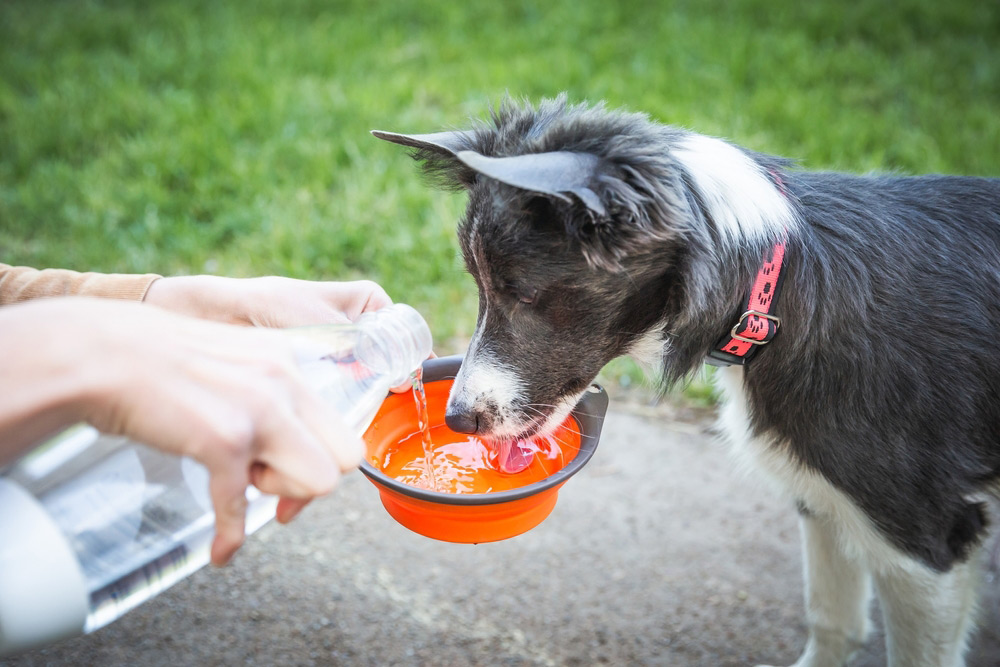
- Provide fresh water: Make sure your dog has access to clean, fresh water at all times.
- Consider giving them an electrolyte-enhanced fluid: If your dog is not vomiting, you may try giving them an electrolyte solution. However, be sure to check with a veterinarian
- Monitor fluid intake: Keep track of how much water your dog is drinking. If they’re not drinking enough on their own, you may need to syringe-feed small amounts of water or electrolyte solution to ensure that they stay hydrated.
- Adjust diet: Offer bland, easily digestible food, such as boiled chicken and rice, to encourage eating and help settle their stomach if they’re experiencing vomiting or diarrhea.
- Keep them cool: If your dog is suffering from dehydration due to heatstroke or hot weather, move them to a cooler environment, and provide access to shade and water. You can also wet their fur with cool water or use a fan on a low setting to help lower their body temperature.
Overall, providing prompt care and addressing dehydration early can help prevent complications and promote your dog’s recovery.

When Should I Seek Veterinary Care for a Dehydrated Dog?
You should seek veterinary care for your dehydrated dog if they are showing signs of illness, such as persistent vomiting or diarrhea, lethargy, or weakness or if you’re unable to rehydrate them at home. In general, if you have any concerns that your dog may be dehydrated, it is best to contact a veterinarian for further advice.

What to Expect at the Vet’s Clinic
The first step is typically an initial assessment. The veterinary team will conduct a thorough examination of your dog, checking vital signs like temperature, heart rate, and breathing rate. They’ll also assess your pup’s hydration status, looking for signs like dry gums, sunken eyes, and loss of skin elasticity. This initial evaluation helps the vet understand the severity of the dehydration and any other potential health concerns.
After the assessment, the vet will likely take a detailed history from you. They’ll ask about your dog’s medical history, recent illnesses, and changes in behavior, appetite, and water intake, along with any medications or treatments that they may have received. This information helps the vet narrow down the potential causes of dehydration and tailor the diagnostic and treatment plan accordingly.
Based on the examination findings and diagnostic test results such as bloodwork, the veterinarian should be able to develop a treatment plan specific to your dog’s needs. This may include fluid therapy for rehydration, which can involve administering fluids intravenously or subcutaneously. Additionally, the vet may prescribe medications to address underlying health issues, recommend dietary adjustments, or provide other supportive care measures.
Throughout the visit, the vet will educate you on how to care for your dog at home, including administering medications, monitoring hydration status, and recognizing signs of improvement or worsening. Finally, they’ll provide instructions for making follow-up appointments and monitoring your dog’s progress to ensure that they recover fully from dehydration.

Frequently Asked Questions (FAQ)
How Quickly Do Dogs Recover From Dehydration?
If your dog is only mildly dehydrated, they should recover with proper treatment within a few hours. In cases of severe dehydration, recovery may take longer, and your dog likely needs to stay at the vet hospital for a day or so.

How Can I Prevent Dehydration in My Dog?
To prevent dehydration in your dog, ensure that they have access to clean, fresh water at all times, especially during hot weather or when they’re ill. Monitor their water intake, provide electrolyte solutions if approved by a veterinarian, and avoid prolonged exposure to extreme heat or other dehydration-inducing factors.

Conclusion
All animals rely on water for their bodies to function properly, and your beloved dog is no exception. Make sure to always keep an eye on how much water your dog is consuming, especially during heatwaves. If you suspect that your dog is dehydrated, don’t delay in contacting a veterinary team so they can get them back on their paws as quickly as possible.
Featured Image Credit: Nicola Pulham, Shutterstock