In this article
Parvo is one of the most dreaded diseases among dog owners, and for a good reason. However, if your dog has survived parvovirus, can they be infected again? The good news is that it’s very unlikely for your dog to catch parvo twice, but it depends on their immunity to the virus.
Vaccinations are still recommended to boost your dog’s immunity to parvo and other diseases. Dogs that have recovered from parvovirus are also more likely to have chronic gastrointestinal problems later in life, so if your dog has vomiting or diarrhea after recovery, it may be related to but not directly caused by parvovirus infection.

What Is Parvo?
During the ’70s, a worldwide canine pandemic occurred; thousands of dogs died from parvovirus or “parvo.” Parvo is a contagious and deadly disease caused by strains Canine Parvovirus Type 2 (CPV-2) .
Parvovirus causes severe gastrointestinal signs and low white cell counts in infected dogs, which can lead to their death from sepsis and other complications. Young puppies under 3 months old can develop myocarditis (inflammation of the heart muscle) from the virus. Studies have shown survival rates between 10% and 91%. Due to a mutation, the virus is thought to have originated from a feline virus.
Canines More Susceptible to Parvovirus
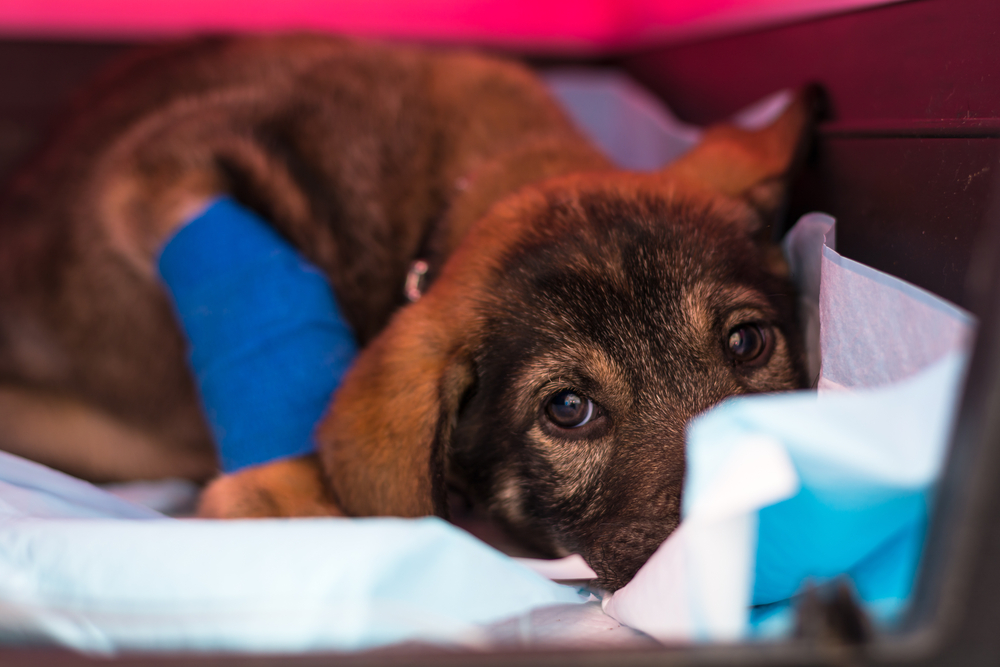
Young puppies and some dog breeds are more susceptible to parvovirus.1 Wild canines like foxes, wolves, and coyotes can be infected with parvovirus and, unfortunately, act as reservoirs for the disease that can be passed onto pet dogs. The virus is transmitted when dogs ingest it, which is shed in the droppings of infected dogs.
Duration of Contagion
The shedding in feces represents a contagious period that lasts from before clinical signs start until weeks after the signs resolve. Under the right conditions, the virus can live outside the body for many months. Since it is not killed easily, it can be tracked in on shoes or paws; your dog does not need direct contact with an infected dog to contract parvovirus.
Following ingestion, parvovirus enters white blood cells, which carry it to the bone marrow, intestinal lining, and other organs. It uses the rapidly dividing cells of the bone marrow and intestinal lining to replicate and destroy the cells afterward.

Signs of Parvo
Since the compromised intestinal lining cannot exchange nutrients between the body and gut or protect the body from bacteria, dogs show signs like severe vomiting, diarrhea, lack of appetite, and lethargy. Your vet may note abdominal pain, dehydration, shock, or changes in body temperature.
Since the bone marrow produces the white blood cells responsible for fighting infection, the dog’s natural defenses are weakened, allowing the virus to spread much more easily. Dogs that die generally succumb within a few days.
If you suspect your pet is suffering from parvo, you should contact your vet directly for an assessment. They can provide you with more information and a care plan.
If you need to speak with a vet but can't get to one, head over to PangoVet. It's our online service where you can talk to a vet online and get the advice you need for your pet — all at an affordable price!

Parvo Treatments
Traditionally, treatment for parvovirus can include broad-spectrum antibiotics and supportive care targeted at reducing dehydration, malnutrition, nausea, pain, and electrolyte imbalances. More advanced therapies like plasma transfusions and antiviral medication can be helpful.
A new treatment for parvovirus called Canine Parvovirus Monoclonal Antibody is showing promising results.2 One study showed a 100% survival rate in treated dogs, compared to 43% in the control group.3

How Immunity Works
A dog’s biggest defense against parvovirus comes from their immune system. When pups are born, their mother produces a special milk called colostrum, which contains some of her antibodies. So, if mom has been vaccinated against parvovirus, she passes some immunity onto her pups to protect them early in life. This is called passive immunity.
Passive Immunity
One study showed that higher levels of antibodies give greater protection against parvovirus.4 Unfortunately, passive immunity dwindles over time, with antibody levels halving every 10 days, and pups must then rely on their own immune systems to fight the virus.

Adaptive Immunity
Adaptive immunity is an immune response targeting specific antigens, like those found in parvovirus. The dog’s white blood cells attack the virus, which leads to the immune system remembering how to fight the infection in the future. That is why dogs that have contracted parvovirus are unlikely to succumb to the infection a second time.
Immunity after parvovirus infection could last around 1-3 years. However, some vets assume lifelong immunity is achieved because of the low re-infection rate. As this is an unproven theory, we recommend other measures to protect your dog from parvovirus.
The good news is that your dog doesn’t have to contract parvovirus to develop adaptive immunity. Vaccinations contain weakened or killed versions of the virus, so your dog’s immune system can be exposed to the virus with very few risks to their health. The vaccines protect against multiple prevalent strains of parvovirus.
Parvo Vaccinations
Following your vet’s vaccination schedule when immunizing your puppy against parvovirus is vital. Remember those antibodies from the mother? Well, they can actually kill the vaccinations, rendering them ineffective. In some cases, the maternal antibodies kill the vaccine but leave the puppy open to contracting parvovirus; this “vulnerable period” lasts about a week and is different for every dog.
That is why a series of three to four puppy vaccinations, 2 to 4 weeks apart, are generally recommended, depending on your pup’s age and history. After the puppy vaccinations, a booster is given annually and, eventually, every 1-3 years. The DAPP vaccine protects not only against parvovirus but also canine distemper virus (CDV), canine adenovirus type 1 and 2 (CAV1 and CAV2), and canine parainfluenza virus (CPiV).
If you are unsure about vaccinating your dog for medical reasons, like previous vaccine reactions, we recommend a titer test, which can determine your dog’s level of antibodies against parvovirus. Vaccination is the most effective prevention against parvovirus, but it’s not a 100% guarantee. “Vaccine failures” occasionally occur due to new strains or infections in the vulnerable period.

Long-Term Effects of Parvo
Dogs may develop chronic gastrointestinal problems after recovering from parvovirus, and the risk increases with the severity of the initial disease. One study found that around 40% of dogs that survived parvovirus developed chronic gastrointestinal signs, compared to 10% of other dogs.
Researchers don’t yet know what triggers these dogs’ chronic signs, but disturbances in the gut microbiome and inflammatory bowel disease have been suggested as possible causes. If your dog is struggling with vomiting, diarrhea, or any other signs, we recommend a vet visit to investigate the many possible causes and make a treatment plan.
How to Prevent Parvovirus
Since passive and adaptive immunity to parvovirus are not foolproof solutions, we want you to keep your dog safe by taking safety measures to protect them from parvo.
- Vaccinate all your dogs against parvovirus according to your vet’s recommendations.
- Talk to your vet about the prevalence of parvovirus in your area and when you should allow your puppy to be out in public.
- Quarantine your dog during and after a parvovirus infection to avoid spreading the virus.
- Be aware that parvovirus can stay in the environment for months. If you have had a parvovirus-positive dog in your home, you should not take in unvaccinated animals or puppies in a potentially vulnerable period.
- Once your pup has fully recovered from parvovirus, bathe them thoroughly to reduce the amount of virus on their fur.
- Choose pet-care services that require up-to-date vaccinations, isolate sick dogs, and disinfect the premises.
- Keep your dog away from other dog’s feces and pick up after your dog.
- Change your clothes and wash your hands after being in contact with a parvovirus-infected dog or potentially infected areas.
- Disinfect indoor areas and items with a solution containing 1 part bleach and 30 parts water, e.g., 133 ml bleach in 4 liters of water. Most other household disinfectants will not kill parvovirus.
- For infected grassy areas, water the lawn regularly to dilute the virus. However, this will not kill all the virus particles on your lawn. Ask your vet about when the outdoor area will be considered safe again, but know that freezing preserves the virus, and shaded areas can harbor the live virus for around 7 months.
Conclusion
A second infection with parvovirus is very unlikely but theoretically possible. Since parvo is so serious, we recommend a multimodal approach to protecting your dog. Regular vaccinations are the most important prevention tactic and should be used to keep your dog safe not only from parvovirus but also from other diseases.
You can also take protective measures against parvovirus. If your dog is showing gastrointestinal signs again after parvo, visit a vet who can make a treatment plan to help your dog.
Featured Image Credit: N_T, Shutterstock