


In this article
View 3 More +Fruits and vegetables are a necessary part of a human’s diet, but did you know that they can play a role in your dog’s diet too? Unfortunately, not all fruits and veggies are safe to give to your dog, and some are downright toxic and even life-threatening. Read on to find a list of the dangerous produce items for dogs so you know which ones you can and can’t offer as special treats.

Vegetables Dogs Can’t Eat
1. Onions, Chives & Leeks
Onions, leeks, chives, and garlic belong to the Allium plant genus and are toxic to both dogs and cats. They contain a poisonous principle called N-propyl disulfide, which causes the red blood cells to break down, potentially leading to anemia in your pup. In severe cases of anemia, organ failure and death can result.

2. Wild Mushrooms
While dogs can eat mushrooms from the supermarket, you’ll want to steer clear of any wild versions. There’s a vast variety of mushrooms (at least 50,000!), and unless you’re an expert, they’re difficult to tell apart. If your pup spends a lot of time in your backyard and likes to dig and forage, you’ll want to ensure you’re carefully checking your lawn for any stray mushrooms growing.
3. Grapes
Grapes and their dried variety (raisins) are incredibly toxic for dogs regardless of their age, breed, or sex. If you suspect your dog has eaten a grape or raisin or any food containing them (e.g., trail mix, granola, etc.), you must seek veterinary care.
It’s not currently known exactly why grapes and raisins are so toxic. The most common early signs of grape toxicity include vomiting, lack of appetite, lethargy, and diarrhea. The early signs usually begin within 24 hours of ingestion, while the severe signs begin between 24 and 48 hours afterward, and by that point, acute kidney damage has likely already started.
If you need to speak with a vet but can't get to one, head over to PangoVet. It's our online service where you can talk to a vet online and get the advice you need for your pet — all at an affordable price!
4. Raw Green Potatoes
Raw, green potatoes contain a toxic compound known as solanine, which can be harmful when ingested. A large amount would need to be consumed to experience toxic effects, but your pup may still experience gastrointestinal issues, such as vomiting or diarrhea.
5. Rhubarb
The leaves and stalk of a rhubarb plant contain soluble oxalate crystals, though more crystals are present in the leaves than in the stalk. When the soluble oxalate salts in the rhubarb are absorbed from your dog’s gastrointestinal tract, they can bind to calcium, resulting in a sudden calcium drop. In rare cases, acute renal failure has been noted from the ingestion of plants containing the crystals. Clinical signs of rhubarb poisoning include drooling, vomiting, diarrhea, weakness, and changes in thirst.

Fruits Dogs Can’t Eat
1. Avocado
The pit, skin, and leaves of an avocado contain persin, a toxin that can cause severe gastrointestinal upset in dogs. The fleshy insides of the fruit don’t have as much as the rest of the plant, but it’s generally not recommended to offer it to your pup, anyway. The fleshy portion is extremely high in fat, which can also cause tummy issues and even contribute to conditions like pancreatitis if fed in excess.
2. Cherry Pits
The cherry fruit itself is not toxic to dogs and does provide a host of nutritional benefits, including antioxidants and vitamins A and C. The problem, however, is that the fruit’s pit, leaves, and stem contain cyanide, which can be toxic if your dog breaks the seed and releases the cyanide.
A single cherry pit won’t cause cyanide poisoning, but you should stay vigilant for signs of intestinal blockage. Signs of cyanide poisoning will include things like dilated pupils, excessive panting, inflamed gums, upset stomach, diarrhea, and shock.

3. Apple Seeds
Apples are great snacks to offer your dog, as they provide a good source of vitamin C and fiber, but the seeds can present a hazard. Like cherry pits, apple seeds contain cyanide. However, your dog would need to ingest a lot of seeds to see toxic effects—approximately 85 grams of seeds, or the amount present in around 200 apples. Still, it is worth knowing the potential dangers so you’ll remember to remove the seeds before offering an apple slice to your pet.
4. Green Tomatoes
While less of a concern than some other fruits and vegetables, tomatoes can be a potential issue for some dogs. Ripe tomatoes are safe to feed your pup in small quantities if they like them, but the young, green varieties can be harmful, as they contain the toxins solanine and tomatine. Additionally, the stems and leaves of the tomato plant contain higher concentrations of tomatine, which can produce uncomfortable clinical signs like weakness and gastrointestinal irritation if eaten in large quantities. The treatment for tomato toxicity is purely supportive, with a good prognosis.

5. Persimmon Seeds
Dogs can eat the rich, tangy, and sweet flesh of a persimmon in moderation without issue. However, the seeds and pit can be problematic. They aren’t toxic like the pits and seeds of apples and cherries, but they can cause blockages and present a choking hazard.
Other Human Foods to Avoid
1. Chocolate
Chocolate is problematic for dogs because of its theobromine content, which dogs cannot metabolize effectively. The dose makes the poison when it comes to chocolate, however, as the amount that a dog can eat without developing signs of toxicity can vary depending on their weight and the type and amount of chocolate eaten. Chocolate can also contain caffeine, though, which is toxic for dogs.

2. Caffeine
Although you may need your daily dose of coffee to kickstart your day, your dog certainly doesn’t. Caffeine is a stimulant that raises blood pressure and can cause cardiac arrhythmias, which can be dangerous for your pet. Dogs that ingest caffeine can lose muscle control, have seizures, and experience gastrointestinal upset. Consuming a large amount of caffeine can even be fatal if no treatment is given.
It’s important to note here that while coffee is perhaps the best-known substance containing caffeine, you may have other caffeine-containing hazards in your home. Other sources of caffeine include tea, soda, energy drinks, sports drinks, diet pills, and certain pain medications.
3. Nutmeg
Nutmeg may be an integral part of your fall baking, but it is dangerous if your dog eats a large amount of it. The spice contains myristicin, a toxin that can cause high blood pressure, hallucinations, abdominal pain, and seizures.

4. Xylitol
Xylitol is a natural sugar alcohol found in plants and a common sugar-free sweetener used in pre-packaged foods. You can find xylitol listed in products like baked foods, peanut butter, cough syrup, gummy vitamins, chewing gum, and supplements. It’s even in allergy medications, sleep supplements, and mouthwash. When your dog eats something containing xylitol, their blood sugar may drop, and they could experience liver failure.
5. Macadamia Nuts
Just a few macadamia nuts have the ability to make your dog extremely sick. Initial clinical signs—vomiting, fever, and lethargy—will usually begin within 3 to 6 hours of ingestion. Within 6 to 12 hours post-ingestion, affected dogs may be reluctant to use their hind limbs and be unable to stand and may experience muscle tremors. Your vet will provide supportive therapies (e.g., intravenous fluids and muscle relaxants), though dogs with mild clinical signs will likely not require hospitalization.
Some dogs may develop pancreatitis from macadamia nut ingestion, which will require 24-hour vital sign monitoring and in severe cases, surgical intervention.

What Fruits and Veggies Can Dogs Eat?
Now that you know what fruits and vegetables are dangerous for canines, you might wonder what ones you can offer your dog.
- Bananas
- Beets
- Blueberries
- Broccoli
- Carrots
- Cantaloupe
- Cranberries
- Cucumbers
- Green beans
- Raspberries
- Spinach
- Strawberries
- Sweet potatoes, cooked
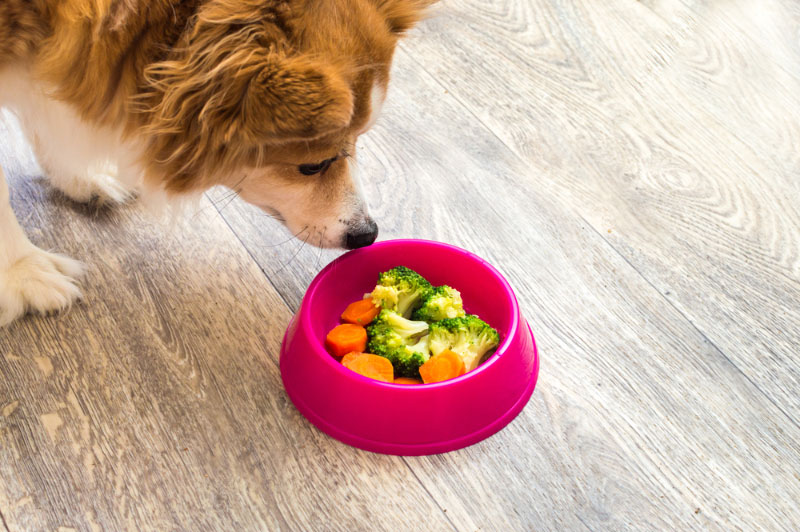
Be sure to remove all stems, leaves, pits, and seeds before offering any fruit or veggie to your pup. Cut them into bite-sized pieces based on the size of your pet, and add them to your dog’s meals to boost their nutritional value. Be sure to only offer fruits and vegetables in moderation and infrequently, as the high levels of sugar and fiber can lead to digestive issues. Always speak to your veterinarian before you add any human foods to your dog’s diet.
Conclusion
Although fruits and veggies are full of vitamins and nutrients that may be beneficial for your dog, not all options are safe for your pup. We hope these lists have helped shed light on which veggies and fruits are safe to offer your dog occasionally. If you’re ever unsure if a food is safe for consumption, it’s best to avoid giving it to your pet until you’ve had a chance to check with your veterinarian.
See Also:
- Mushrooms for Dogs With Cancer: What the Science Tells Us
- Can Dogs Eat Cat Food? Vet-Verified Info & Safety Tips
- Can Dogs Eat Parsnips? Vet-Reviewed Nutrition Facts & Info
Featured Image Credit: rfranca/ Getty Images
















2 Responses
Excellent articles containing great advice and considerations – very enjoyable and informative reading!
Hello Ken,
thank you very much for your lovely feedback! We are glad that you found the information in our article helpful.